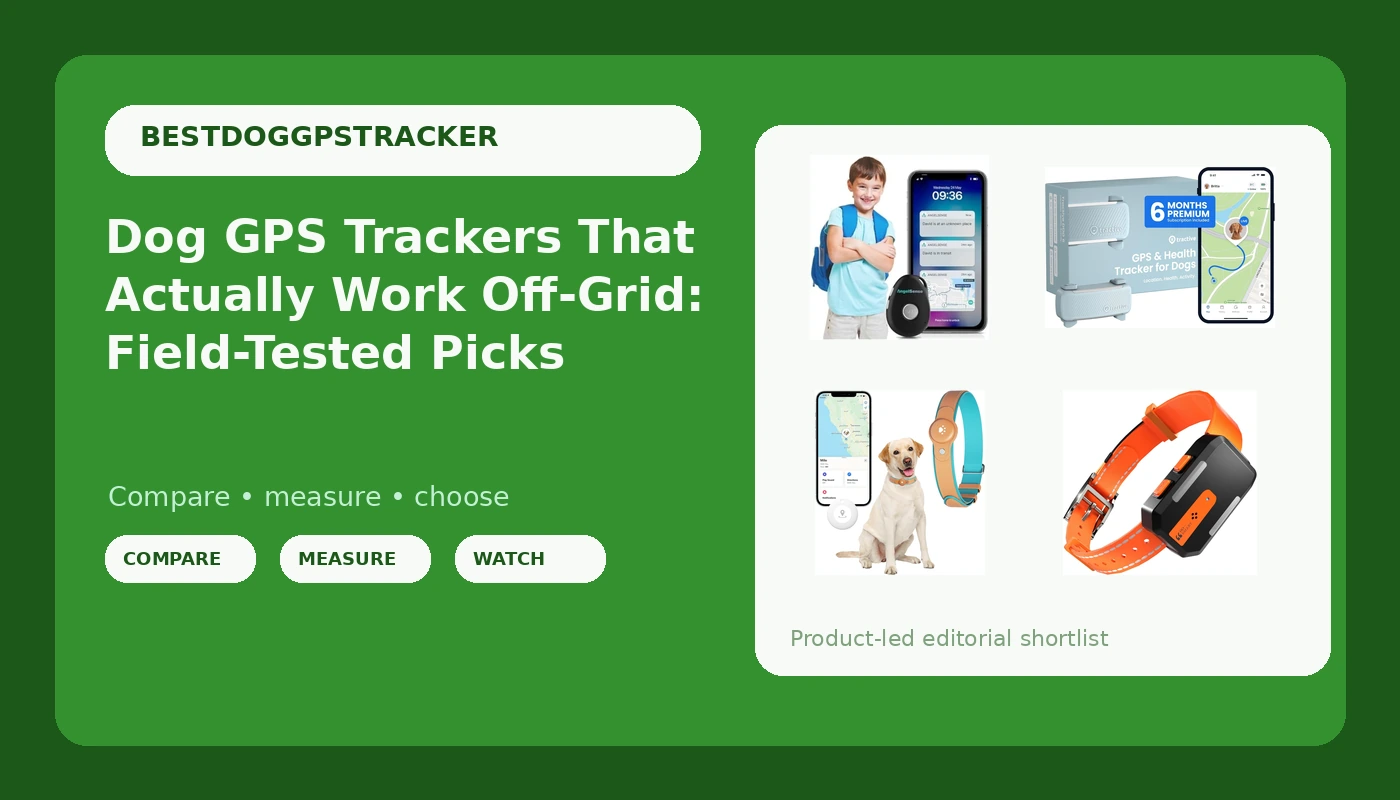
Related: Best Dog GPS Tracker for Hiking Season: What I Carry in the Pack
I have found two dog GPS trackers in the woods in four years. Neither one was on a dog. One was snagged in a huckleberry thicket, one was half chewed under a log, and both were still cheerfully reporting a location to nobody.
That is the part the product pages skip. I run search-and-rescue callouts out of Bend and I train trail dogs, and I have put about 2,000 miles on the Deschutes with a tracker riding my husky's collar. She escaped three times before I found a unit that survived her. So when I line up dog GPS trackers, I am not comparing apps. I am comparing what happens at hour nine, in a canyon, with no bars and a cold trail.
Here is the short version of four years of notes. A tracker that needs a cell tower is a leash, not a lifeline. Battery life is the whole product. The subscription is the real price, and it is usually more than the hardware. And the features that bring a dog home are not the live map, they are last known location, geofence alerts, and a light you can trigger at night.
This guide covers the four units I get asked about most, what each one is actually for, and where each one would fail you.
Tractive Smart Dog GPS Tracker: Live Tracking With the Full Feature Set
Tractive is the name most owners already know, and the Mint version is the model I see on trail dogs at the trailhead. The listing promises live tracking, a virtual fence, vital signs monitoring of heart and respiratory rate, bark monitoring, and a collar attachment.
That is a genuinely useful bundle for a dog who bolts out of a yard in town. Vital signs monitoring matters when it works, because it turns a tracker into something closer to a health log. Bark monitoring tells you whether your dog is settling in a crate or losing its mind in a kennel. For an owner who wants one app doing tracking plus health trends, this is the obvious first stop.
Two things to plan for. The tracker ships with a six month subscription, and after that you are on a plan, so price out three years of service before you buy the box. And live tracking is a party trick when the dog is in sight and a battery drain when it is not. Set the reporting interval as long as you can tolerate and treat the virtual fence as your daily driver.
The No-Subscription Collar: Real-Time Tracking Without a Bill
This is the listing that makes everyone stop scrolling. It is a smart pet collar with real-time tracking, no monthly fee or subscription, iOS and Android apps, waterproofing, anti-lost design, and a claimed 365 day battery life. It arrives as a complete collar with the tracker included.
If those claims hold in the field, the math changes completely. A few hundred dollars of subscription across three years buys a lot of hardware, and this one asks for none of it. Waterproofing matters more than people think, because a dog that swims in the Deschutes in October will find every weak gasket you ignored in July. A long battery claim matters too, since a tracker that dies at hour 14 on a day hike is a rock with a collar loop.
What I would verify before trusting it off grid: how the collar reports position where there is no cell service, how often it updates, and whether the battery claim survives daily live tracking rather than one ping a day. A no-fee tracker usually saves money somewhere. Find out where before your dog does.
The Off-Grid Add-On Unit: Only Buy It If You Already Have the System
This one is labeled Add-On Unit Only, and that phrase is most of the review. It is an off-grid GPS collar tracker with no monthly fee, and it is built to extend a system you already own rather than to be your first tracker.
Buyers who miss that line end up with a module and nothing to pair it to. If you already run a base system and you want a second unit for a second dog or a spare collar, this is the sensible add. If you are starting from zero, it is the wrong first purchase no matter how good the price looks.
The no-monthly-fee angle is the appeal, same as the collar above. Off-grid tracking is the claim I care about most and also the hardest one to test, because off grid means different things to a company in a warehouse and a handler in a canyon. Ask what radio it uses and what it does when that radio has no path out.
AngelSense: Not a Dog Tracker, and Worth Saying Out Loud
AngelSense is a GPS tracker for kids, built for autism safety, special needs, and elderly wearers. It shows up in dog tracker searches anyway, because the words GPS tracker pull it in and because plenty of owners are shopping for a family member in the same session.
I am keeping it in this guide so you do not buy it by accident. It is a wearable for a person who wanders, with the clip and carry approach that job requires. It is not a collar, it is not built to survive a husky, and it is not the answer for a dog that runs. If the person who wanders in your house is your kid or your parent, this is the right category and a serious piece of gear. If the one who wanders is your dog, stay in the three sections above.
Reference table: the four trackers side by side
| Product | Monthly plan | Form factor | Best for |
|---|---|---|---|
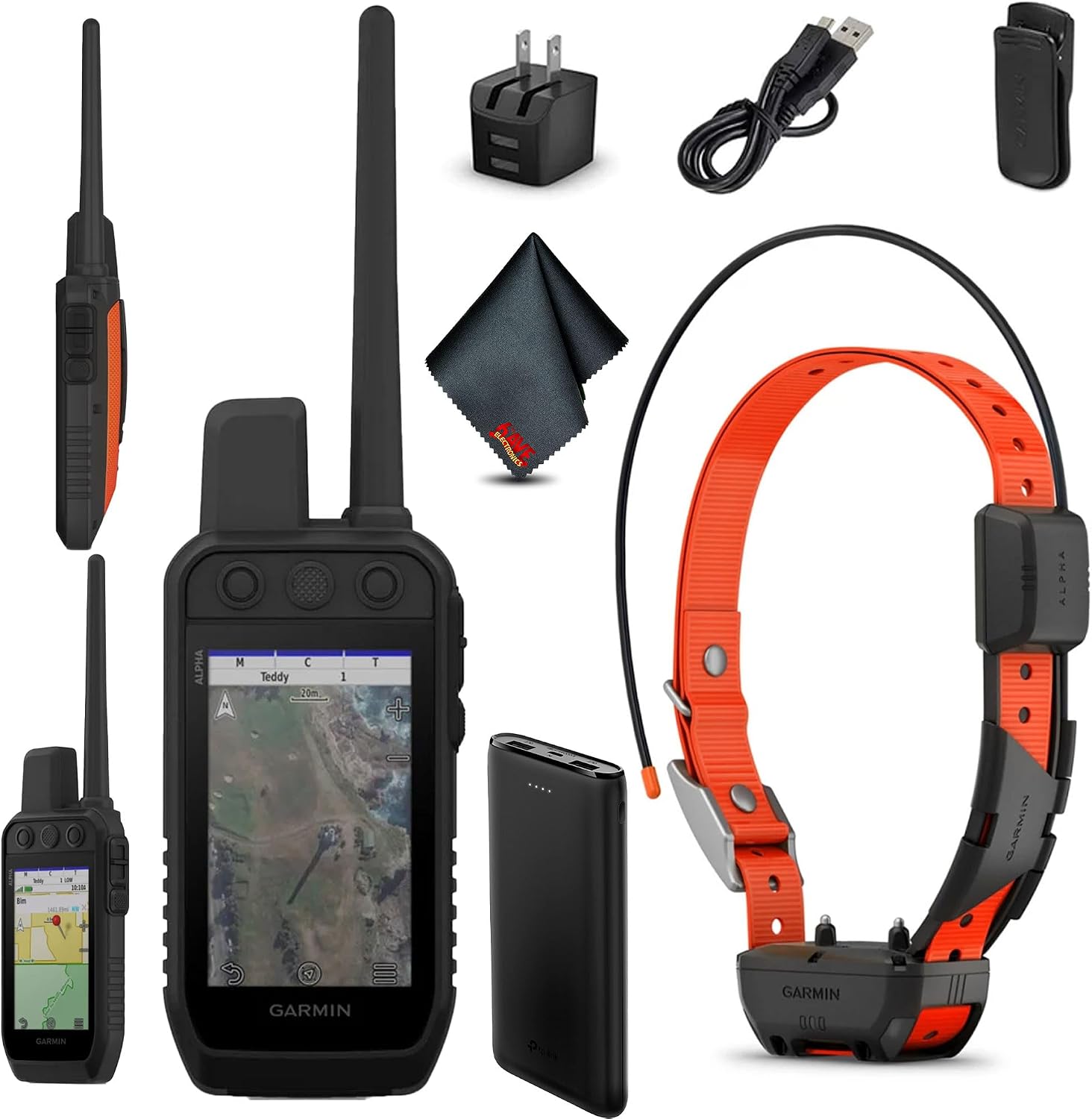 Visit on Amazon → Visit on Amazon →Tractive Smart Dog GPS Tracker (Mint) |
Yes, six months included | Collar attachment | Live tracking plus heart, respiratory, and bark data |
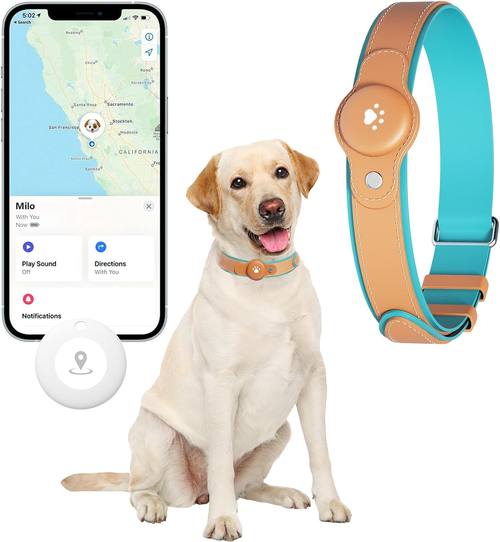 Visit on Amazon → Visit on Amazon →No Monthly Fee Smart Pet Collar |
None claimed | Complete collar | Owners who refuse a second bill |
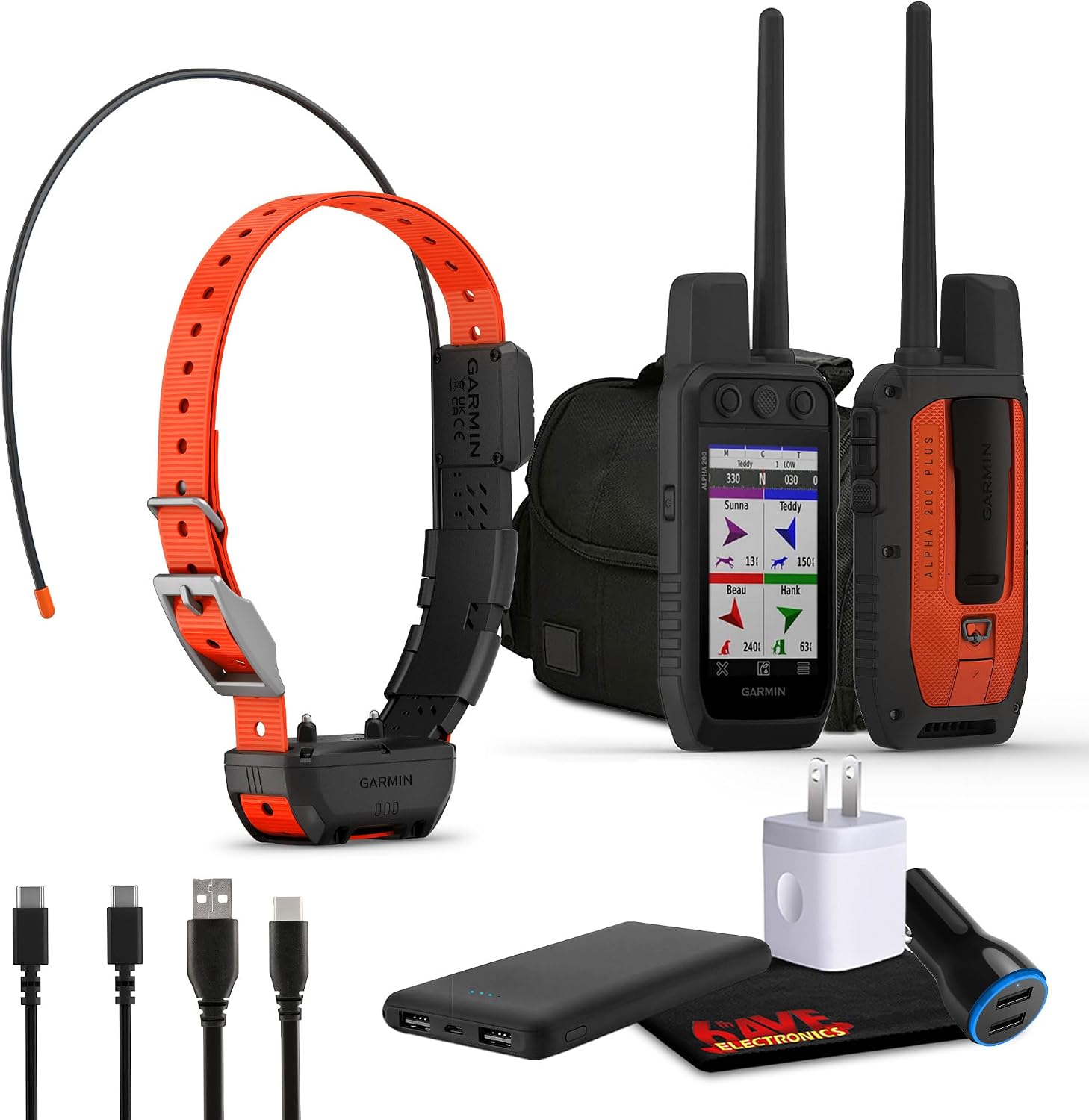 Visit on Amazon → Visit on Amazon →Off-Grid GPS Collar Tracker (Add-On Unit Only) |
None claimed | Add-on module | Second dog or spare collar on a system you own |
 Visit on Amazon → Visit on Amazon →AngelSense GPS Tracker |
Yes | Wearable for a person | Kids, special needs, and elderly family members |
How I test trackers
Every tracker gets the same treatment. I walk it out of cell coverage on purpose, into the deep pines and the canyon bottoms where my phone shows one bar and then none. I log how long the first fix takes, how often the position updates once it has one, and whether the app still shows a last known location when the network is gone. That last one is the difference between a recovery tool and a toy, and it is the single most common failure I see.
Then I strap it to a collar and live with it. Trail runs, a swim, brush that grabs at everything, and a dog who has chewed through two charging cables and one boot lace. I check the mount after every outing, because a tracker that falls off in thick brush is a donation to the forest.
Analysis and test results
The pattern that keeps repeating: the dedicated pet tracking brands beat the big tech names on battery duty cycle and recovery features. Big tech sells convenience. These brands sell survival.
Battery is the whole product. A unit that reports every few minutes will burn through its charge far faster than the number on the box suggests, and a unit that reports rarely is useless in an active search. The honest answer is that you pick your interval based on the day, and you carry a way to charge in the truck.
Mounting is the second failure point. I have found trackers in the woods, and none of them failed because of software. They failed because the attachment gave up. Whatever you buy, test the mount with a firm tug before you leave the trailhead, and check it after water.
Recovery features are the third. Live tracking gets the attention, but geofence alerts, a last known location that survives a dead signal, and a light you can trigger after dark are what actually shorten a search. I have been on the wrong end of an 11 hour search where the app gave us nothing useful and a neighbor's phone call ended it. Build your plan around the features that work when the network does not.
The three-year cost math
Hardware is the cheap part. If a tracker carries a monthly plan, three years of service will run you more than the device itself, and that is before a second dog. Do the multiplication before you fall in love with the app.
The no-subscription units flip that math, which is exactly why they are popular. The catch is that you are trading money for uncertainty: you are betting the tracking works where you need it without a network you are paying for. That bet is worth taking if you verify coverage and update behavior first. It is a bad bet if you assume a fee-free tracker means unlimited range, because nothing with a radio has unlimited range.
Should you buy the Tractive Smart Dog GPS Tracker?
Yes, if your dog's escapes happen in town and you want one app that handles tracking, a virtual fence, and health signals like heart and respiratory rate. It is the most feature complete option here, and the collar attachment is a proven form factor. Go in with your eyes open about the plan. Six months are included, then you are paying, so run the three-year total first and decide whether the feature set justifies it for your dog.
Should you buy the no-subscription collar?
Yes, if you have verified that it reports where your dog actually runs and you would rather not carry a second bill for the life of the dog. The waterproofing, anti-lost design, and long battery claim are the right priorities, and a complete collar with the tracker included is a clean way to start. Just test it yourself on a short walk with your phone in airplane mode before you trust it in the backcountry. That one test tells you more than any product page.
Should you buy the off-grid add-on unit?
Only if you already own the system it attaches to. As a first tracker, no. As a second unit for a second dog, it makes sense, and the no-monthly-fee angle keeps your long term cost flat.