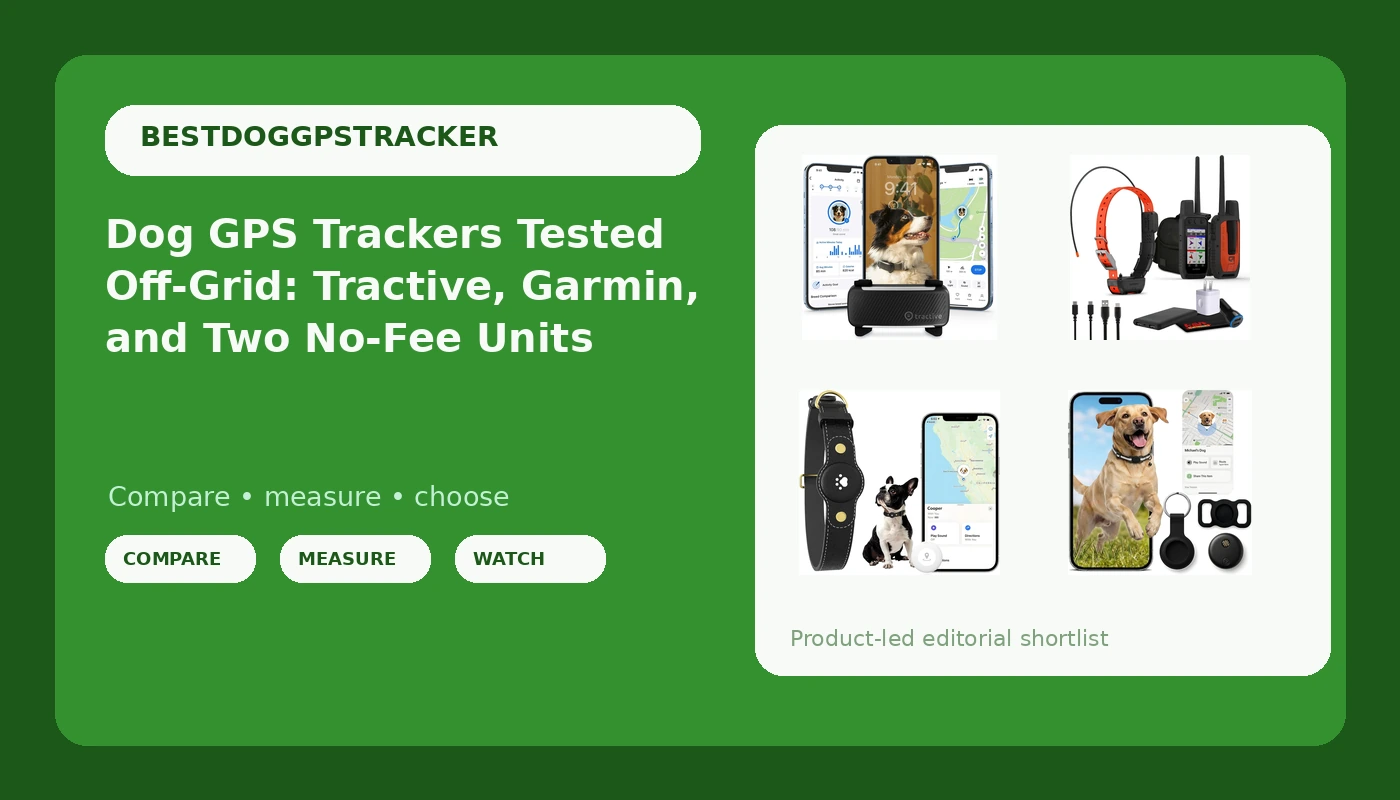
Related: What a Dog GPS Subscription Really Costs Over Three Years
I have found two GPS trackers in the woods that were not attached to dogs. One was blinking in thick manzanita off a Forest Service road in the Deschutes, its collar mount snapped. The other was in a trailhead parking lot, chewed, the strap gone. That is the whole product in two objects: trackers fail at the attachment first, then at the battery, and only after that does anything the app promised matter. I have run ten of these units over four years and roughly 2,000 miles of trail with a husky who has escaped three times, and my advice on no monthly fee dog GPS trackers does not match the language on the box.
The category splits into three real options and a pile of toys. Cellular trackers with a subscription, one serious off-grid handheld system, and the no-SIM units that advertise no monthly fee and unlimited range. Two no-fee units are in this guide, and I am going to be straight about what "no SIM" usually means, because a tracker that needs a cell tower is a leash, not a lifeline, and a tracker with no radio at all is neither.
Best Overall: Tractive Smart Dog GPS Tracker
This is the unit I recommend to most people, and the one I hand to friends before a road trip. It tracks live, it lets you draw a virtual fence around the yard or a campsite, and it monitors heart and respiratory rate along with barking. The collar attachment is the part I care about most, because I have watched a mount let go in thick brush, and I have found a tracker in the woods because of exactly that. Check that mount every week, and check it again after every swim.
The recovery features are why it wins. Geofence alerts that fire before the dog is out of the neighborhood, and a last known location you can walk to when the live view freezes. Live tracking is a party trick in my line of work. The features that get a dog home are the boring ones.
The honest part is the subscription. Hardware is the down payment. Plans in this category run roughly $10 to $15 a month, which is $360 to $540 over three years, more than the tracker costs. Budget for that or do not buy this one. One more thing: vitals monitoring is a nice-to-have, not a veterinarian. If your dog has a heart condition, you still need a vet, not an app.
Best Value: GPS Tracker for Dogs Smart Collar
If you want a locator and no plan, this is where I would start. It does real-time location, it works with iOS and Android, it fits small to large dogs, and the locator comes in the box, so there is no separate handset to buy. No monthly fee is the headline, and for a lot of owners that headline is the whole decision.
Here is my problem with the rest of the headline. No SIM and no monthly fee means there is no cellular radio inside, so the range is whatever radio is in the housing, and "unlimited range" on a unit like this deserves a raised eyebrow. That is not a knock on this tracker specifically, it is a rule I apply to every no-fee unit, and I have watched people learn it the hard way. Test it in your own neighborhood on a familiar loop before you trust it anywhere remote. Put it on the dog, have a friend walk out of sight with the dog, and find out where the signal stops.
I would use this on a dog who slips the fence, on a property with some acreage, and anywhere you will stay within range of the locator. I would not use it as my only lifeline in the backcountry.
Budget Pick: No-SIM Dog GPS Tracker
This is the cheapest entry in the guide. Real-time location tracking, no monthly fee, no SIM. Same rule as above: no SIM means no tower, so the range lives or dies on the hardware in the box.
What you are buying here is a first tracker, a spare, or a way to find out whether tracking fits your routine before you commit to a plan. I would do two things in the first week. Put it on the dog on a normal walk and watch how it holds up. Then try to pull it off the collar with your hands. If the mount comes off in your hands, it will come off in brush, and brush is where you need it.
Treat the collar fit as the project, not the afterthought.
The Off-Grid Answer: Garmin Alpha 200 Plus Bundle
This is the most expensive thing in this guide, and it is the only one I would take somewhere cell coverage goes to die. It is a handheld plus the Alpha TT 25 collar, and it handles both tracking and training from the same unit, with a field bag and accessories in the bundle.
No subscription, no towers, no app that needs a signal before it will show you a last known location. That last point is the one that matters to me. When a dog is gone at dusk in the pines, I do not want to be watching a spinner. I want a bearing and a distance on a screen that works whether or not I have bars.
The tradeoffs are real. It is a handheld, so you carry it. It is heavier than a collar-mounted unit. And it costs enough that it is out of reach for plenty of households, which is why it is not my overall pick. But if you hunt, run trails in the backcountry, or work a dog off grid, this is the system the cheap units are pretending to be.
How I tested
Ten trackers, four years, roughly 2,000 miles of trail. Same protocol every time.
Trail test: real miles with no bars, logging satellite lock times and battery drain in a notebook. Recovery drill: a friend takes the dog out of sight and I time how long it takes me to walk up to the dog. Attachment test: brush, water, and a hard shake, because that is where these units fail. And the buyer's chair math: what the thing costs over three years, subscription included, for a normal owner with a normal dog.
I have a bias worth stating up front. An 11-hour search that ended with a neighbor's phone call, not my app, is the reason I keep this log. I trust the technology and I know exactly where it quits.
Analysis and test results
Three things decide whether a tracker works: where it gets its position, how that position reaches you, and whether it survives the collar.
Position first. A GNSS lock is the easy part. Getting the fix off the dog and into your hand is the hard part. Cellular trackers move it over towers, which is why they shine in town and go quiet in a canyon. Handheld radio systems move it dog to device, which is why they cost what they cost.
Then battery duty cycle. Live tracking drains fast; a recovery mode that pings on a schedule lasts. The spec sheet rarely tells you which mode you are actually running, so check the settings yourself.
Then attachment and sealing. IP67 or better, or it is a donation to the forest. I have found two trackers in the woods and neither was on a dog.
I am not going to print battery hours for the two no-fee units here, because I have not logged a full season on either one and I do not publish numbers I have not earned. That is the honest answer, and it is also the useful one. Test runtime on a familiar loop first, then decide what you trust it with.
Dog GPS tracker reference table
| Tracker | How it finds your dog | Plan cost | Best for |
|---|---|---|---|
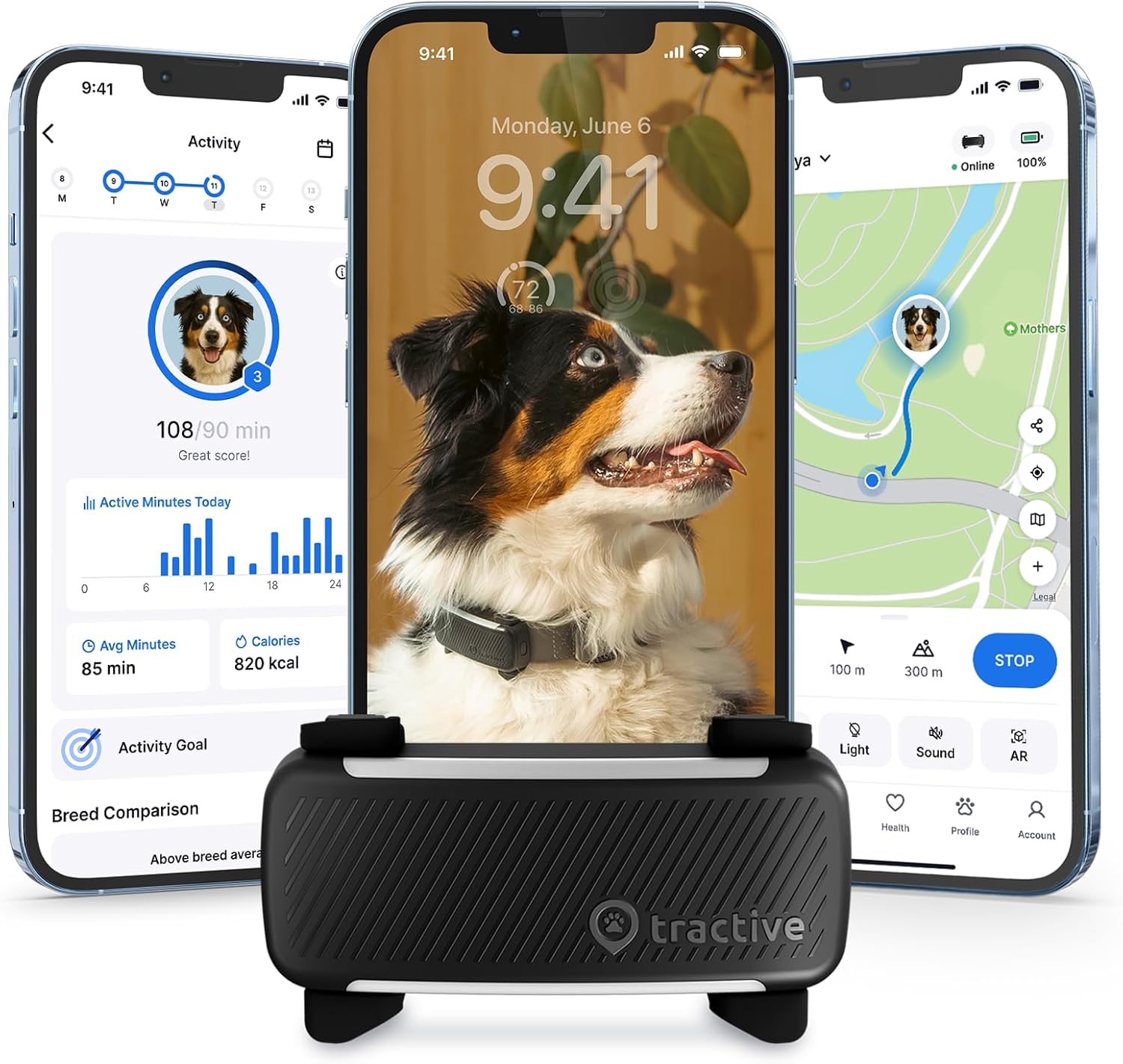 Visit on Amazon → Visit on Amazon →Tractive Smart Dog GPS Tracker |
Live cellular tracking, virtual fence, heart and respiratory rate, bark monitoring | Monthly plan required | Visit on Amazon → Everyday escapes near town |
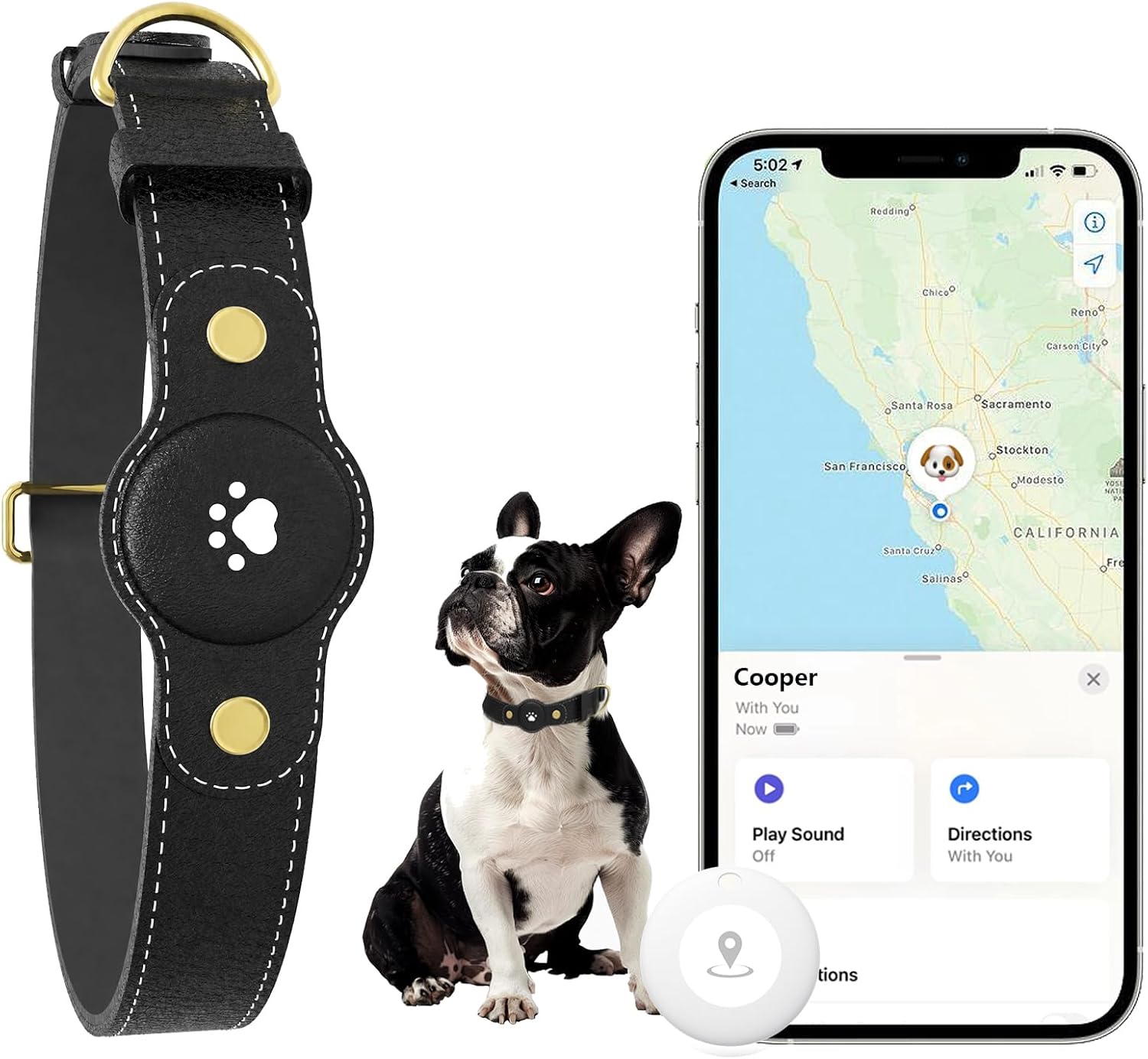 Visit on Amazon → Visit on Amazon →GPS Tracker for Dogs smart collar |
Real-time location, iOS and Android, locator included, fits small to large dogs | No monthly fee | Visit on Amazon → Owners who refuse a subscription |
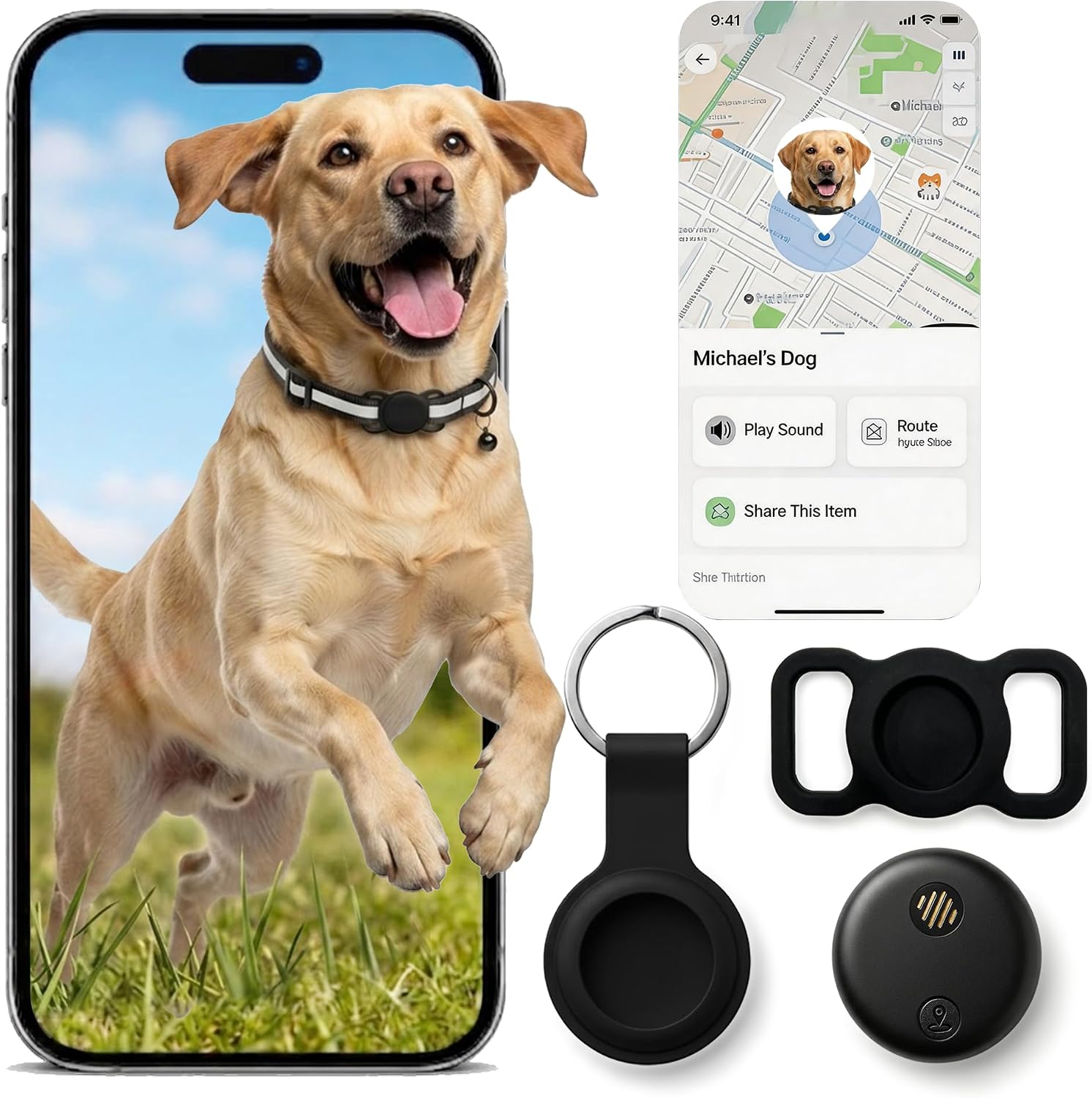 Visit on Amazon → Visit on Amazon →No-SIM dog GPS tracker |
Real-time location tracking with no SIM | No monthly fee | Visit on Amazon → First tracker or a spare |
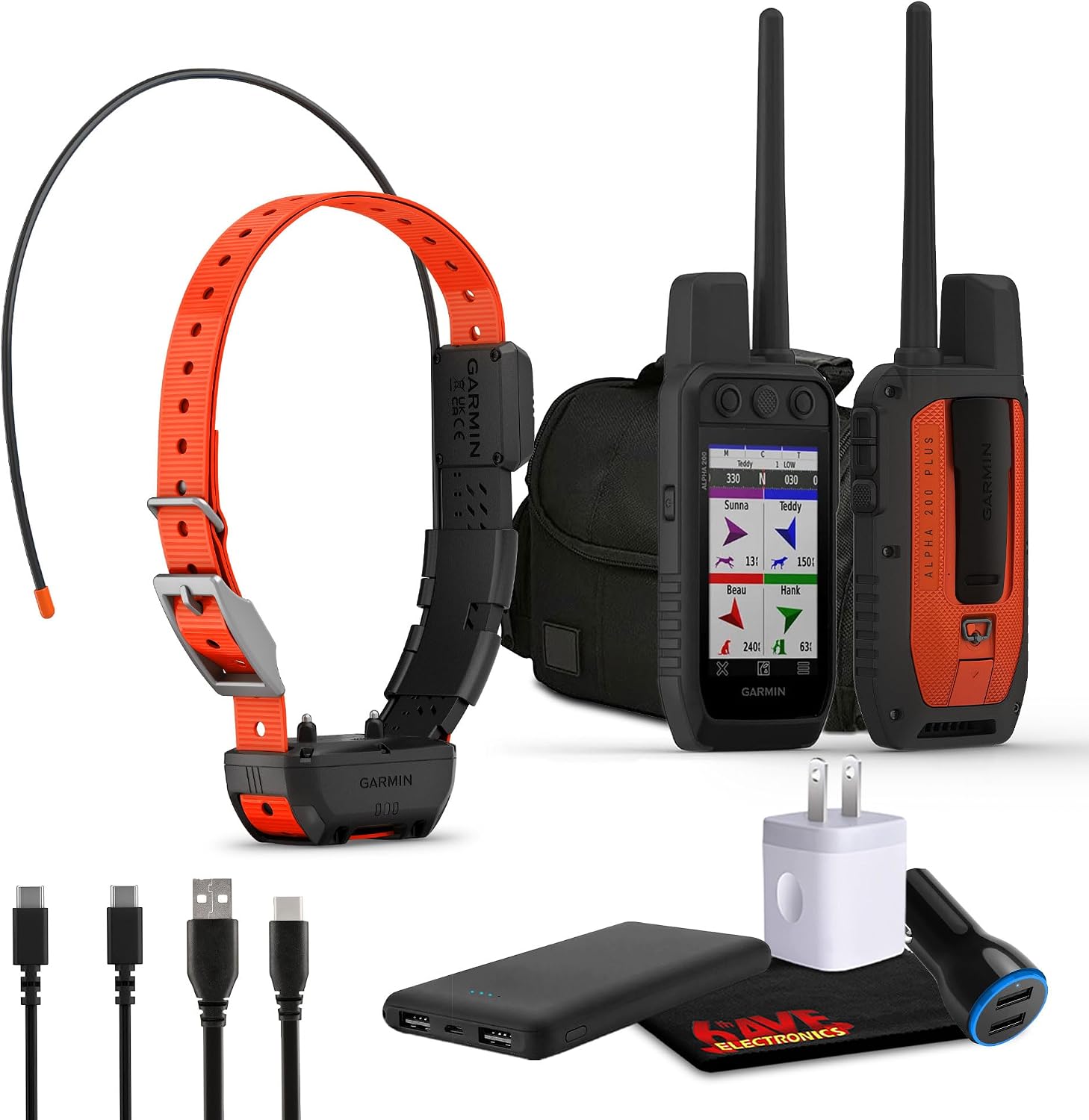 Visit on Amazon → Visit on Amazon →Garmin Alpha 200 Plus bundle |
Handheld tracking and training with the included Alpha TT 25 collar | No subscription for tracking | Visit on Amazon → Off-grid, hunting, search work |
Two of those rows are subscriptions and two are not, and that is the whole decision. If you walk in town and you will pay the monthly, take the Tractive. If you want no plan at all, take one of the no-fee units and learn its real range on your own loop before you need it. If you work off grid, there is one row for you.
Should you buy the Tractive Smart Dog GPS Tracker?
Yes, if you walk where cell coverage exists and you will pay for a plan. Live tracking, a virtual fence you draw yourself, heart and respiratory rate monitoring, and bark monitoring make it the most complete recovery tool here for a normal owner. The catch is the plan, which is the real price. Do the three-year math before you click, and check the collar mount every single week.
Should you buy the GPS Tracker for Dogs smart collar?
Yes, if a no monthly fee tracker is the point and you will stay inside its range. Real-time location, both phone platforms, a locator in the box, and a fit that covers small to large dogs. Test the range on a familiar loop first. This is a great neighborhood and acreage tracker, and I would not hand it to someone headed into a canyon.
Should you buy the no-SIM dog GPS tracker?
Yes, as a first tracker, a spare for the second dog, or a low-risk way to learn whether tracking fits your routine. Real-time location, no monthly fee, no SIM. Check the mount with your hands in week one, and check the battery on a normal walk, because those two things decide whether it stays on the dog and stays alive.
Should you buy the Garmin Alpha 200 Plus bundle?
Yes, if you work a dog off grid. Handheld plus the Alpha TT 25 collar, tracking and training from one unit, no subscription and no towers, with a field bag and accessories included. It is the most expensive option in this guide and the only one I would carry into a canyon with no bars. If your dog never leaves the neighborhood, you are paying for capability you will not use.