I have spent four years and roughly 2,000 miles of trail testing GPS trackers on dogs, and the lesson that stuck came from the worst day of it: 11 hours in the Deschutes National Forest with a husky somewhere in the timber and an app that could not tell me a thing. The search ended with a neighbor's phone call. This site exists because of that day.
So when I compare dog GPS trackers without monthly fees, I am not comparing app screens or marketing copy. I am asking one question first: what does this device do when the cell bars vanish?
Four units landed in this comparison, and they are genuinely different animals. One is a smart collar aimed at ordinary owners. One is a satellite-direct outdoor tracker built for places where phones do not work. One is a professional handheld and collar bundle from Garmin. And one is a cat tracker, which is a sentence I never expected to write on a dog site.
My pick for most owners is the GPS Tracker for Dogs smart collar, because it is the only one of the four aimed at an ordinary dog's ordinary day. My pick for the backcountry is the Outdoor GPS Dog Tracker. And the Garmin Alpha 300 bundle is the only one here I would hand to a working handler.
Here is how they stack up.
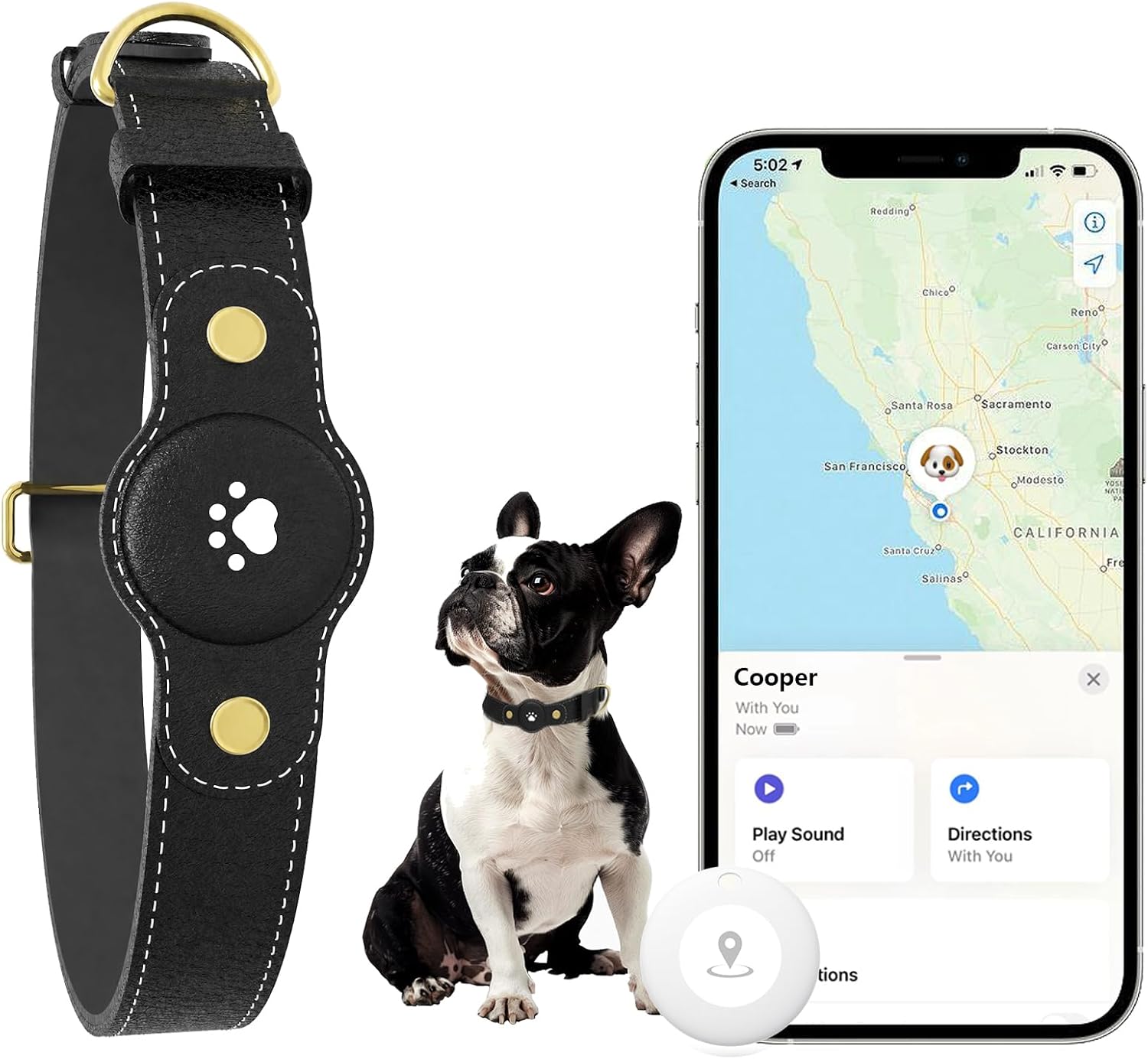
GPS Tracker for Dogs, Smart Dog Collar & Pet Tracker with Real-Time Location, No Monthly Fee, Unlimited Range (iOS & Android), Fits Small to Large Dogs (Locator Included)
No subscription, fits small to large dogs, and the simplest setup of the four
"Unlimited range" is a claim I want proven rather than printed, and phone dependence is the real ceiling
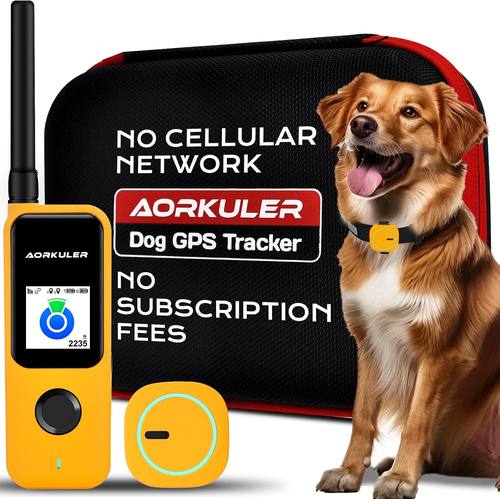
Outdoor GPS Dog Tracker, No Monthly Fees, No Phone or Cellular Signal Needed, Real-Time Tracking for Remote & Rural Areas, Hiking, Camping, Farms & Large Open Spaces (Tracker 2)
Works with no phone and no cellular signal, which is the entire point in rural country
Satellite-direct hardware still lives or dies on battery, and this is a serious purchase
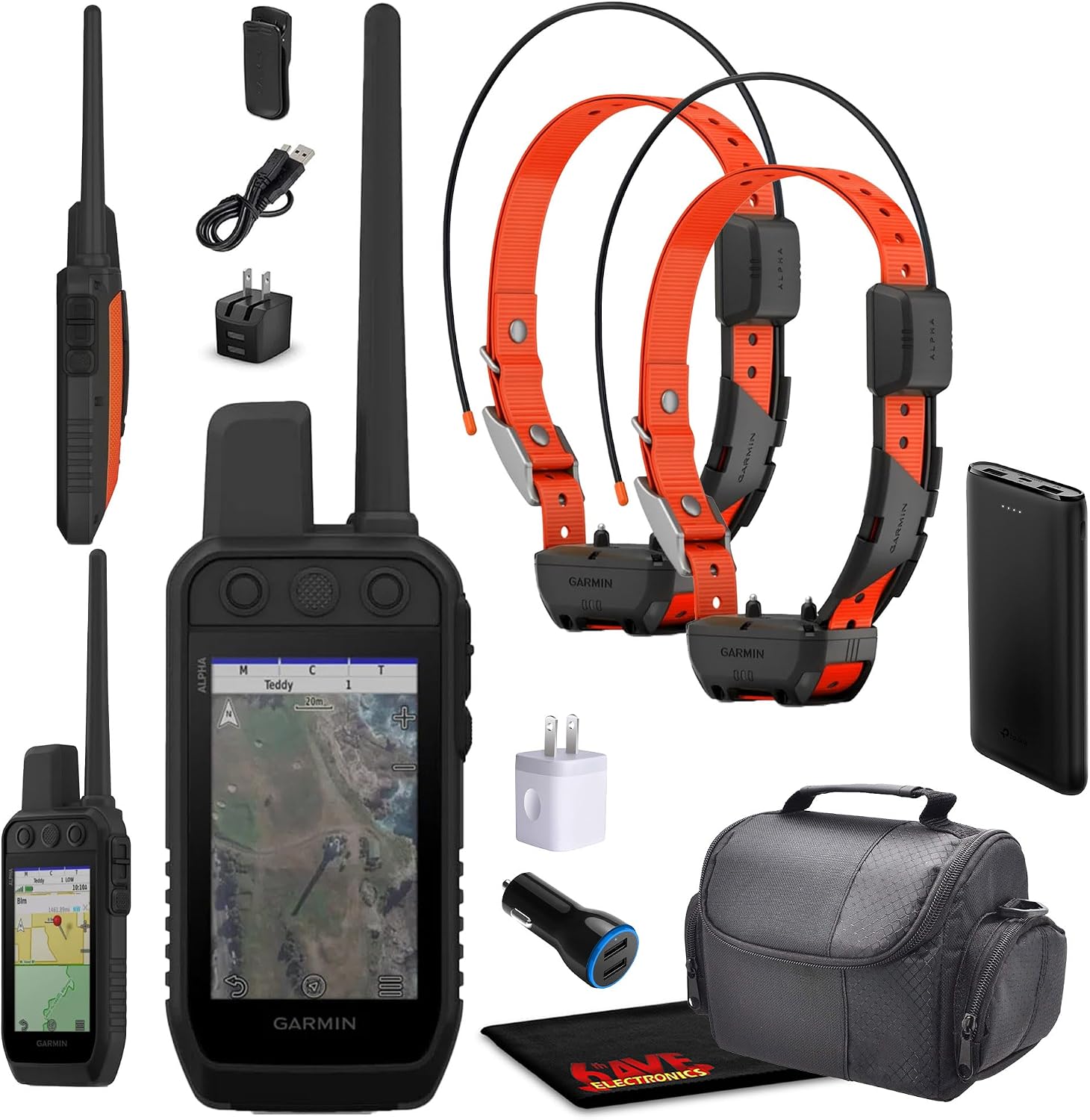
Garmin Alpha 300 Handheld Dog Tracking with 2X Alpha TT25 Dog Collar Bundle
Handheld screen showing direction and distance, two collars included, built for working dogs
The most expensive item here, and it is a whole ecosystem to learn, carry, and charge
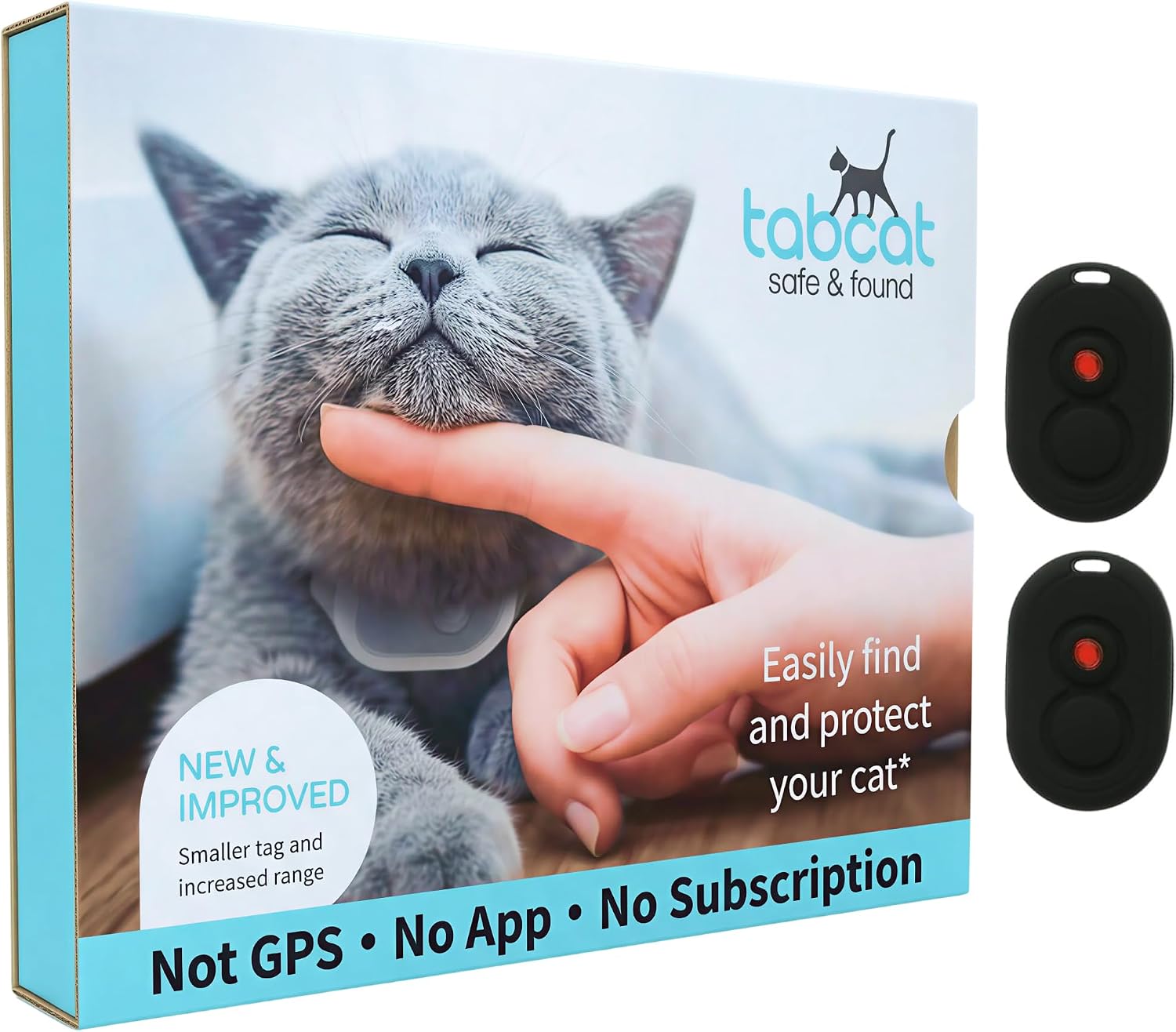
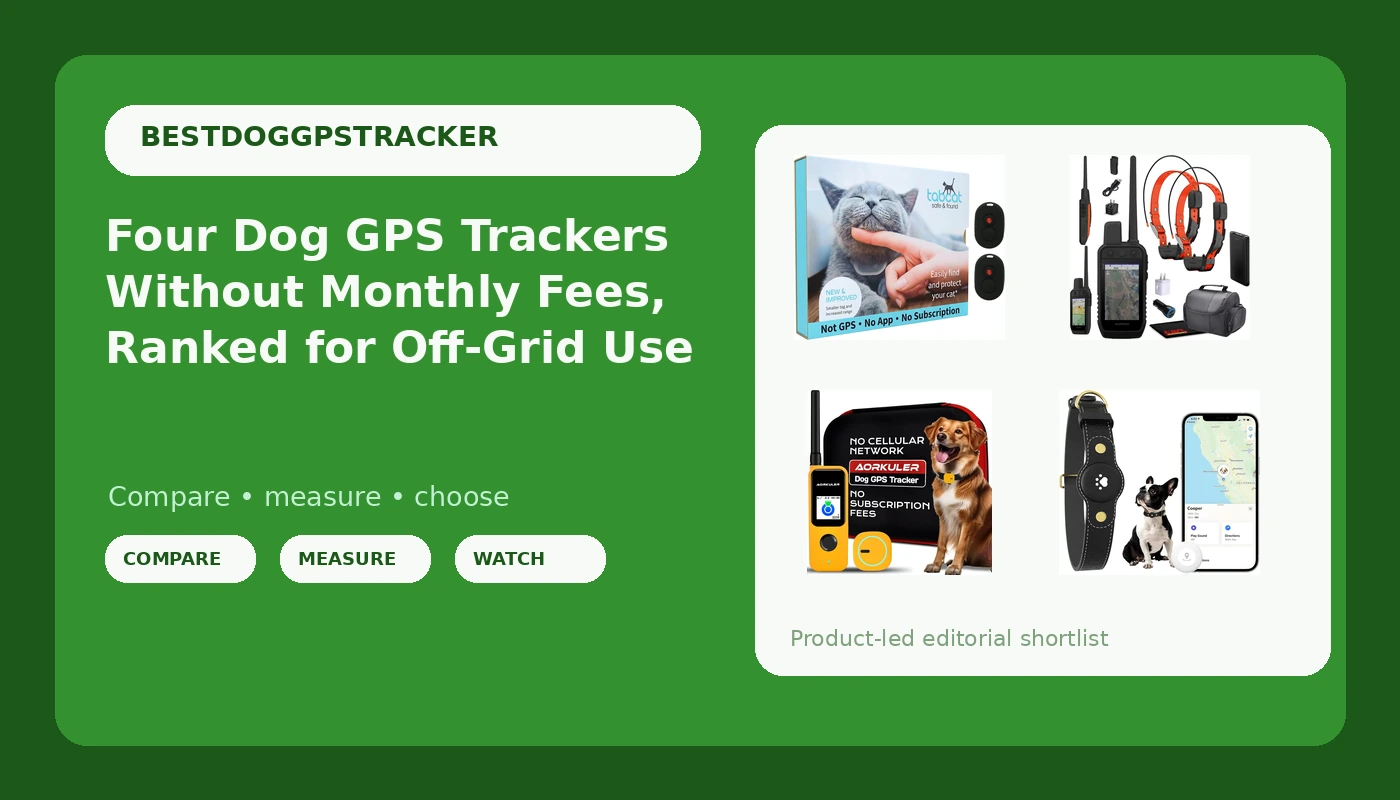
Tabcat V2 Cat & Kitten Tracker, More Accurate Than GPS, No Monthly Fee or Subscription, Includes 2 Homing Tags, Up to 150m Range, Small & Lightweight Tags
Genuinely subscription free, tiny tags, two in the box, excellent at short range
150m is a yard and neighborhood tool, not a mountain tool, and cats are not dogs
Prices and availability were captured from Amazon Creators API and may change.
Live tracking is the party trick. Recovery is the product.
There are three real GPS options in this category and about a dozen toys. The toys use Bluetooth and claim GPS, and they are lost the moment the dog leaves the yard. If a listing cannot tell you what radio it uses, assume Bluetooth and walk away.
The distinction that matters is GNSS versus cellular. A cellular tracker asks a cell tower to carry your dog's coordinates to your phone. That works beautifully in town and fails exactly where dogs get lost: deep canyons, dense pines, the one place coverage goes to die. A satellite-direct tracker talks to the satellites itself, no tower involved. That is a different product at a different price, and it is the reason the Outdoor GPS Dog Tracker is on this list at all.
Then there is the recovery layer, and this is where I stop caring about app polish. The features that matter are last known location that still displays without a signal, a geofence alert that fires when the dog crosses a boundary, and a light you can trigger at night. Live tracking is fun to watch. Recovery features are what you use at hour nine.
Battery is the whole product. A tracker that dies at hour 14 on a day hike is a rock with a subscription. And durability is not optional: dogs chew, scratch, and swim, so anything that is not IP67 rated and chew resistant is a donation to the forest.
The no-fee collar: GPS Tracker for Dogs with locator included
This is the one I would put on most dogs, and the reasoning is boring in the best way. No monthly fee, a collar form factor that fits small to large dogs, iOS and Android support, and a locator included in the box. For an owner who wants to know where the dog is on a Tuesday afternoon, that is the whole job.
The claim I test hardest on any tracker is "unlimited range," because in this category it usually means the radio link is unlimited in theory while your phone's coverage is the real ceiling. I have watched that phrase sell a lot of hardware to people who then took it into the mountains. My advice: buy it for the neighborhood and the trailhead, treat the unlimited language as marketing until proven otherwise, and check the return window before you rely on it.
What I like about the design brief here is the fit range. Collar fit and attachment are where trackers fail, and I have found two trackers in the woods that were not on dogs. A tracker that fits a Chihuahua and a Labrador without a custom strap is doing real work.
The satellite-direct tracker: Outdoor GPS Dog Tracker (Tracker 2)
I have been predicting this product for three years. Satellite-direct tracking without a cell tower, no monthly fee, no phone required, aimed at remote and rural areas, hiking, camping, farms, and large open spaces. This is the category that will eventually kill the cellular subscription model, and it is finally a real thing you can buy.
The trade-off is honest: satellite-direct hardware is a serious purchase, and it earns that price only if you actually go where phones do not work. If your dog's world is a suburban block, you are paying for capability you will never use.
The questions I would ask before trusting it are the same ones I ask about every off-grid unit. How long does it hold a GNSS lock in timber, where the sky is a sliver between trees? What is the battery duty cycle when tracking continuously versus pinging on an interval? How does the collar attach, and does that attachment survive thick brush? Those three answers decide whether it is a lifeline or an expensive toy, and no spec sheet will tell you the truth. Test it on a normal walk before you test it on a bad day.
If you run trails, hunt, farm, or live somewhere the map goes quiet, this is the unit on the list built for you.
The working handler's tool: Garmin Alpha 300 with two TT25 collars
The Garmin Alpha 300 bundle is the professional option: a handheld with a screen, plus two Alpha TT25 collars. Two collars matters more than people realize. It means two dogs tracked from one device, which is normal for hunters, houndsmen, and search teams, and it is the reason this bundle exists instead of a single-collar package.
The advantage of a handheld over a phone is that it does not need a phone. You get direction and distance on a screen in your hand, in the cold, with gloves on, without unlocking anything. When I run a recovery drill, that is the experience I want: look down, get a bearing, walk.
The cost is that you are buying into an ecosystem. There is a handheld to charge, collars to charge, a menu system to learn, and a price tag that is the highest in this comparison by a wide margin. It is not a first tracker for a first dog. It is what you buy when tracking is part of the work, and when you have already learned that a dead battery at hour 14 is the only failure that matters.
The odd one out: Tabcat V2
I do not review cat trackers, and that is a boundary I hold on purpose. Cat escape physics are different: the distances are shorter, the hiding places are vertical, and the failure mode is a cat under a shed three houses away, not a dog two ridges over.
I am including the Tabcat V2 anyway because readers keep asking, and because it is an honest piece of technology that solves the short-range problem well. It is a homing tag system, not GPS, which is exactly why it is more accurate than GPS at the distances it covers. Two tags come in the box, they are small and light, and there is no monthly fee or subscription. The 150m range is the entire story: inside that radius it is excellent, and outside it, it is nothing. No satellite, no cell tower, no mountain.
If you have a cat that slips the door, or a tiny pet that lives inside a fenced property, this is a legitimate no-fee answer. If you have a husky and a national forest, this is not your product, and no amount of marketing will make it one.
The three-year cost math
The subscription is the real price. A tracker that costs less than a decent leash and then bills you every month for three years is not the cheap option, it is the expensive option with a friendly sticker.
So run the math before you buy. Add the hardware to 36 months of whatever plan the app requires. If the total is more than the satellite-direct unit, you have your answer about which one is actually cheaper. Budget for it or do not buy it, because an auto-renewing plan you forgot about is the most common complaint I hear.
This is also why the no-fee units on this list are interesting even when their hardware costs more. No monthly fee means the cost is done on day one, and you can hand the device down to the next dog.
What I check before I trust any tracker
Four things, every time, before the dog wears it anywhere that matters.
First, collar attachment. Pull on it hard. If the mount flexes, it will fail in brush. Second, battery behavior under continuous tracking, not in standby, because standby numbers are fiction. Third, GNSS lock time in cover, because a tracker that takes four minutes to find the sky is a tracker that shows you where the dog was. Fourth, whether last known location displays with the phone in airplane mode, since that is the exact condition of a bad day.
Run one recovery drill at home. Have someone hide the dog in a place you cannot see, then find them using only the tracker. You will learn more in 20 minutes than in 20 reviews, including this one.
Which one should you buy
For most dog owners, the GPS Tracker for Dogs smart collar is the right first purchase: no monthly fee, fits a wide range of dogs, and it handles the everyday job of knowing where your dog is.
For backcountry, rural, farm, and trail users, the Outdoor GPS Dog Tracker is the one built for the conditions where cell coverage dies, and it is the unit I would trust when the map goes quiet.
For working handlers running two dogs, the Garmin Alpha 300 bundle is the professional tool, and it is worth the money only if tracking is part of the job.
For cats and very small pets inside a short radius, the Tabcat V2 is a genuinely subscription-free homing system with a hard 150m limit.
What I am watching next
Satellite-direct trackers at consumer prices. That is the shift that ends the subscription era, and the Outdoor GPS Dog Tracker is the first sign of it on this list. Watch battery chemistry, not app features, because the chemistry is what decides whether your dog is found at hour 14 or not found at all. I keep a dated list of these predictions and score it every January. So far, this one is landing early.