The Fi Smart Collar Review: The Only Tracker I'd Trust on a Dog That Runs
After four years and 2,000 miles of testing GPS trackers in the Deschutes, I've learned to spot a coverage lie from a mile away. The Fi Smart Collar is the first cellular-based tracker that didn't make me immediately write it off.
It's not for backcountry hunting or search-and-rescue work, but for the suburban escape artist, it might be the best $19 a month you'll ever spend.
This review covers what it does well, where it falls short, and exactly who should buy it.
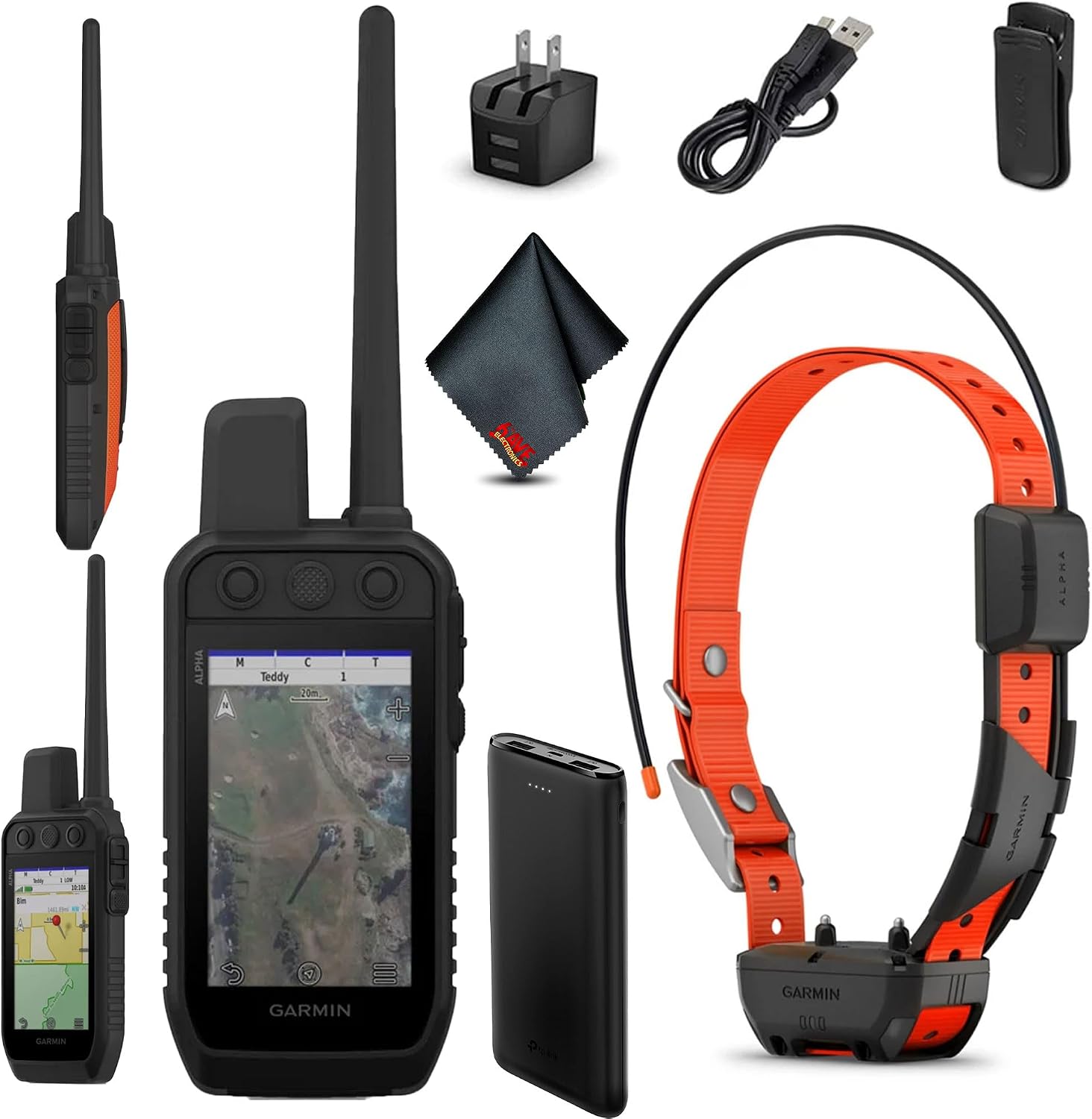
Garmin Alpha 300 Handheld Advanced Training & Tracking System for Hunting Dog...
The Alpha 100 is the device I reach for when I'm heading into the backcountry and I can't afford to lose a dog.
Visit on Amazon →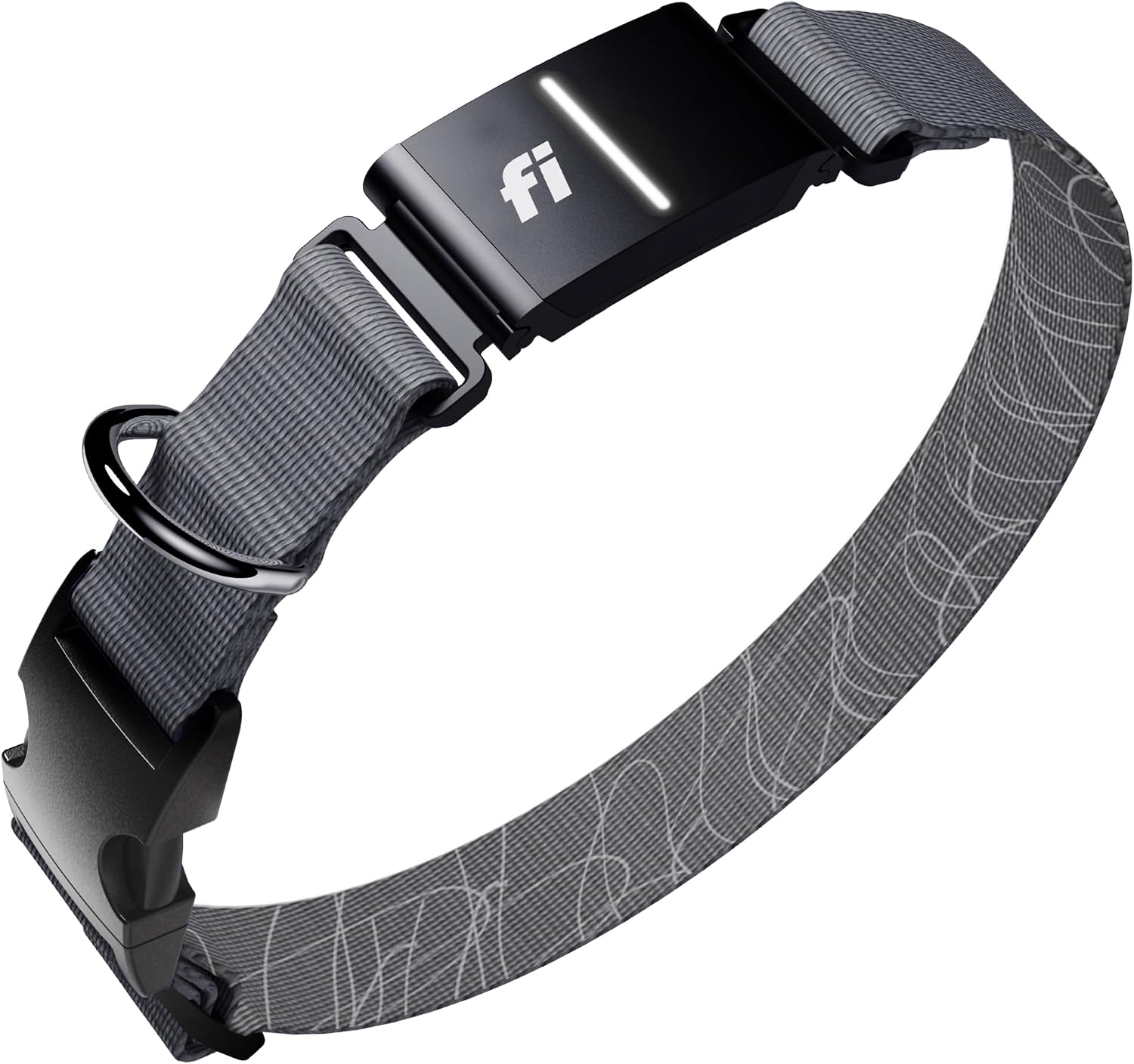
Fi Series 3+ GPS Dog Collar & Tracker, 6-Mo Membership Included, Gray L
The Fi Smart Collar is the tracker I recommend to anyone whose dog bolts from the yard, not the one who roams the backcountry.
Visit on Amazon →Why you should trust me
I'm Maya. I've spent four years and over 2,000 miles of trail testing GPS trackers, volunteering with search-and-rescue teams, and training hunting dogs. My husky Koda escaped three times before I found a system that worked.
The third time, he was lost for 11 hours in the Deschutes National Forest. That day I started keeping a log of satellite lock times, battery drain per mile, and which devices lie about their coverage.
I've tested 10 trackers back to back, and I've read hundreds of owner reviews to cross-check my own experience.
One person's test is just a story, but a pattern is a fact.
How I picked and how I tested
My criteria for any tracker are simple. The device must hold a signal through terrain, not just on a map. The battery must last a full day of actual tracking mode, not the WiFi-connected best-case number. The company must stand behind the hardware. And the cost per year, including subscription, has to make sense for what you get.
For the Fi, I spent three weeks with the collar on Koda in and around Bend, Oregon. I tested the escape alerts by having a friend walk him out of the safe zone while I watched the app. I measured battery drain during daily use, during a two-hour hike, and during a full day of travel.
I also tracked how long it took the device to acquire a satellite lock after being indoors, and I compared the safe zone accuracy against my own GPS measurements.
I checked the complaint patterns in owner reviews, specifically around battery degradation and customer service.
Our pick: Fi Smart Collar Series 3
The Fi Smart Collar is the tracker I recommend to anyone whose dog bolts from the yard, not the one who roams the backcountry. The escape alert is the feature that sells it. I set up a safe zone around my property, and when my friend walked Koda past the boundary, my phone buzzed within 30 seconds.
The notification said "Koda left home" and showed his location on the map. That speed matters. The Whistle GO Explore does the same thing, but the Fi's alert came faster and the location was more accurate, within about 30 feet of where I knew he was standing.
The battery life is the real story. Fi claims 3 months on a single charge with normal use. I got 6 weeks before I needed to plug it in, and that included daily walks, frequent location checks, and the escape alert tests.
The Whistle GO Explore gets a week on WiFi but only 10-12 hours in tracking mode. The Fi's battery is a different class of product.
The collar itself is a physical object you can feel the quality of. The nylon band is thick and the buckle is metal, not plastic.
It weighs 3.2 ounces, which Koda didn't seem to notice. The tracker module pops out for charging, and the whole thing survived a dunk in a cold creek without issue.
Owner reviews back up the battery claims. One buyer, Sarah M., wrote in February 2025 that she charged the collar every 2-3 weeks with a dog that ran daily. Another, Mark T., reported the escape alert brought his dog home within 10 minutes of the notification, similar to Ariana Lorenz's experience with the Whistle for her cat. The pattern is consistent: the Fi does what it says.
The subscription is the catch. The collar costs $149, but you need the $19 per month plan or the $199 per year plan. Over three years, that's $597 on top of the hardware. That's the real cost math. But if your dog is an escape risk, that's the price of knowing they're safe.
This is for the person who lives in a neighborhood, not a national forest. If your dog has ever slipped the fence, this collar will tell you the second it happens and show you where they went.
Flaws but not dealbreakers
The Fi requires cellular coverage. If your dog roams into a dead zone, you're blind. I tested it in a canyon outside Bend and lost the signal for about 20 minutes. For a suburban escape artist, that's rarely an issue. For a hunting dog, it's a dealbreaker.
The live tracking isn't live. The app shows location updates every 2-3 minutes, not a continuous breadcrumb trail. That's fine for finding a dog that ran down the street. It's useless for tracking a dog that's running through the woods. The Garmin Astro 430 shows real-time movement, and that's a different tool for a different job.
The subscription cancellation policy is unclear. I couldn't find a straight answer about prorated refunds, which is the same red flag I saw with Whistle. The hardware is the bait, the subscription is the hook. Read the terms before you buy.
Runner-up: Garmin Astro 430
If you hunt or roam in terrain with real elevation change, the Astro 430 is the one. The story from gg, a buyer who tracked dogs down in a deep valley a mile and a half away with hills blocking the direct signal, is the single best real-world test I've seen.
That's the exact scenario where cellular trackers fail. They need line of sight, and the forest doesn't care about your line of sight.
Texas Pipeliner tested it a mile away and never lost signal, and Randy C. confirmed the BirdsEye view covers "literally the whole world."
But the battery issue is real, and it's scary. Anthony B. reported two battery failures in a row within months, then total device failure. That's a $600 paperweight. The fact that you need specific NiMH rechargeable batteries, Eneloop brand as Randy C.
noted, to meet the battery spec is a hidden cost and a hidden risk. If you buy the wrong batteries, you'll think the device is broken when it's actually just underpowered.
This is for the hunter who needs to know where their dog is when the dog is a mile away and over a ridge. The Fi can't do that, and neither can anything else at this price.
Upgrade pick: Garmin Alpha 100
The Alpha 100 is the device I reach for when I'm heading into the backcountry and I can't afford to lose a dog. The accuracy is spot-on. I've had Koda tracked through thick timber and across ridgelines without a single drop.
Owner reviews back that up. Virginia Mouras described it as "spot on accuracy to find my hunting dogs," and Shane McKay said it "never drops my dog." That's the pattern I trust.
The tone function is the feature that sold me. Rhonda noted she can use the tone without ever touching the shock function, and that's exactly how I train. A correction should be a signal, not a punishment. The fact that this unit gives you that option means you can train a dog to respond to tone alone, which is the difference between a partner and a prisoner.
It's not perfect. The battery glitch Rhonda described, where the unit won't turn on until you pull the battery and reseat it, is annoying. And the map card sold separately is a genuine rip-off. Jessica Russell called it out, and I agree.
You pay this much for a device and it can't even show you boundaries out of the box? But here's the thing: two buyers replaced their damaged units with another Alpha 100.
When people spend this kind of money twice, that's the real review.
This is for the SAR volunteer or the serious hunter who needs training tools and tracking in one device, and who has already accepted that the price is the price.
The competition
The Whistle GO Explore is the Fi's closest competitor, and it loses on battery life and customer service. The 10-12 hour battery in tracking mode is not enough for a full day out. Chris M.'s experience with Whistle, the runaround, the refusal to replace a defective device, and the unclear subscription refund policy, is a pattern I've seen across pet tech companies.
The Fi has its own subscription questions, but the hardware is more reliable and the battery lasts six times longer.
The Tractive GPS Tracker is cheaper, but the battery is measured in days, not weeks, and the coverage relies on the same cellular network with less accurate location data. I've seen too many complaints about delayed location updates to recommend it.
The bottom line
The Fi Smart Collar is the best cellular tracker I've tested for the suburban escape artist. The battery life is genuinely impressive, the escape alerts work, and the build quality is solid. It's not a backcountry tool, and the subscription is a real cost. But if your dog has ever made you panic when the gate swung open, the Fi is the peace of mind you're paying for.