Related: Best Dog GPS Trackers for Escape Artists: Collar Fits and Harness Mounts
Every spring I get the same message from a neighbor: the gate did not latch, the dog is gone, and now what. A dog GPS tracker without a subscription sounds like the obvious answer, and there are several on the market promising exactly that. The words on the box and the behavior of the unit in a canyon are two different things, and that gap is what this guide is about.
I am Maya. I live in Bend, Oregon, I volunteer with a search and rescue team, and I train hunting and trail dogs. My husky escaped three times before I found a tracker that held up. Over four years and roughly 2,000 miles of trail, I have run 10 GPS trackers through the same routine: real off-grid miles, timed recovery drills, and a three-year cost calculation for a normal dog owner. I keep a log of battery life, GNSS lock times, and which trackers lie about coverage.
Here is the short version. There are three real GPS options in this roundup, plus a fourth product that is not a dog tracker at all but belongs in the conversation anyway. Everything else in this category is a Bluetooth toy wearing a GPS costume, and it will be lost the moment your dog leaves the yard.
Best Overall: Tractive XL Smart Dog GPS Tracker
This is the one I would hand to most owners first, and the one I would take on a hunt. It is a live pet tracker with a virtual fence, and it adds something I did not expect to care about: vital signs monitoring of heart and respiratory rate. On an older dog, or a dog with a heart condition, that is not a gimmick. A resting heart rate you can check while the dog is kenneled in the truck tells you something a location dot cannot.
The six-week battery figure is a duty-cycle number. Six weeks is what you get when the unit is mostly asleep and reporting occasionally. Switch on live tracking and the drain is much heavier, which is true of every cellular tracker I have run. Plan your charging around the days you actually need live mode, not around the number on the box.
Live tracking over a cellular network means a data plan, and the plan is the real price of this class of tracker. A plan in the $10 to $15 a month range becomes $360 to $540 over three years, which is more than the hardware. Check the current plan terms on the listing before you commit, and check whether the plan auto-renews.
The virtual fence is the feature I use most. Set the boundary at the driveway and the alert lands while the dog is still in the yard, which is the whole point. It is a collar attachment rather than a full collar, so check the fit on a thick winter coat and re-check it when the seasons change. Attachment is where trackers fail, not electronics.
Best No-Subscription Pick: Smart Pet Collar with Real-Time Tracking
Two things sold me on listing this one: no monthly fee, no subscription, and the tracker comes in the box. Plenty of listings in this band sell you the collar and leave you to buy the tracker separately, which is a miserable surprise on delivery day.
The claim to interrogate is the 365-day battery. A year of battery life is a duty-cycle number, exactly like the six-week figure on the Tractive. It describes a tracker that wakes, reports, and sleeps. If you want continuous live tracking, expect to charge far more often, and read the listing to see how the tracking interval is defined.
The second thing to interrogate is what the tracking actually rides on. No-fee trackers get there by using something other than a paid cellular plan, and that choice carries range and coverage consequences. Ask the seller directly: does it hold a GNSS lock on its own, what is the realistic range, and what happens past that range. A no-fee tracker that quietly depends on your phone being nearby is a leash, not a lifeline.
What I do like: waterproof, iOS and Android, and an anti-lost design. For a yard-and-neighborhood dog with a fence-jumping habit, the no-fee model removes the single biggest reason people give up on trackers, which is the bill.
Best Off-Grid Pick: No Monthly Fee Dog Tracker (Add-On Unit)
Read the name twice: add-on unit only. This is not a standalone tracker. It is a second collar unit for a system you already own, and if you do not own the base unit, it will not track anything. That is the most important thing to know about it, and it sits inside a parenthesis.
Once you clear that bar, the pitch matches how I actually work: off-grid, no monthly fee, collar mounted. Off-grid is the word I care about. In a canyon with no bars, a tracker that depends on a cell tower is a paperweight with a battery. A no-fee unit built for places without coverage is the shape of the future, and I have said for a while that direct satellite tracking at consumer prices is what finally kills the subscription model.
Verify the pairing before you buy. Confirm which base unit this add-on belongs to, how many units one base supports, and what the range or network story is. If you already run that system and you have a second dog, this is the cheapest way to add a collar without adding a second monthly bill.
The Outlier: AngelSense GPS Tracker for Kids
I am including this one because it keeps coming up in the same conversations, and because it is honest to say plainly what it is: a tracker built for people, not dogs. AngelSense is designed for children with autism, for special needs safety, and for elderly family members. It is a wearable with a support model behind it. I would not strap a human tracker to a dog, and I do not recommend that.
Here is why it still belongs in a dog tracker guide. Human safety trackers are years ahead of pet trackers on the features that matter most in a real search: a last known location you can trust, alerts that reach more than one person, and a company whose whole business is the emergency rather than the gadget. When I evaluate a dog tracker, that is the standard I measure against, and most of them come up short.
If you hike with a family member who wanders, or you care for an elderly parent and a dog, this is a different purchase from the collar units above and worth pricing out on the listing. Read the plan and the support terms before you buy.
How I test a tracker
My method has not changed in four years.
Trail test. Real off-grid miles in the Deschutes National Forest and the canyons east of town, in places where my phone shows no bars. I log GNSS lock time from power-on, how long the lock holds under dense pine, and how fast the battery falls in each mode.
Recovery drill. A friend takes the collar and hides, and I time how long it takes me to find the dog using only the app. This is where live tracking earns or loses its place. The features that decide a drill are last known location, geofence alerts, and a light I can trigger at night.
Buyer's chair. I do the three-year math, hardware plus plan, for a normal owner with a normal dog.
Anything that fails the drill does not get a recommendation, no matter how good the app looks on a couch.
What the spec sheets leave out
Unlimited range on a Bluetooth tracker. Bluetooth range is measured in feet, not miles, and no app fixes physics.
Coverage maps. A cellular coverage map is a marketing document. I have stood in a spot the map called covered and watched a tracker hunt for a tower for 20 minutes.
Apps that need a signal to show last known location. That is the exact moment you need it, and it is the exact moment it fails.
Subscriptions that auto-renew without warning. Check the terms, set a calendar reminder, and know what month two costs before month one ends.
Attachment quality. I have found two trackers in the woods, and neither was on a dog. Collar fit and clip quality is where these products fail, so test the mount with a tug before you trust it.
Cheap charging cables. A dog chews a cable in an hour, so treat the cable as a consumable.
Dog GPS tracker comparison table
This is the table I keep open when someone asks what to buy. Every row is a product in this guide, and the plan column is the one that decides the real cost.
| Tracker | What it is | Plan | Battery as listed | Best for | Price |
|---|---|---|---|---|---|
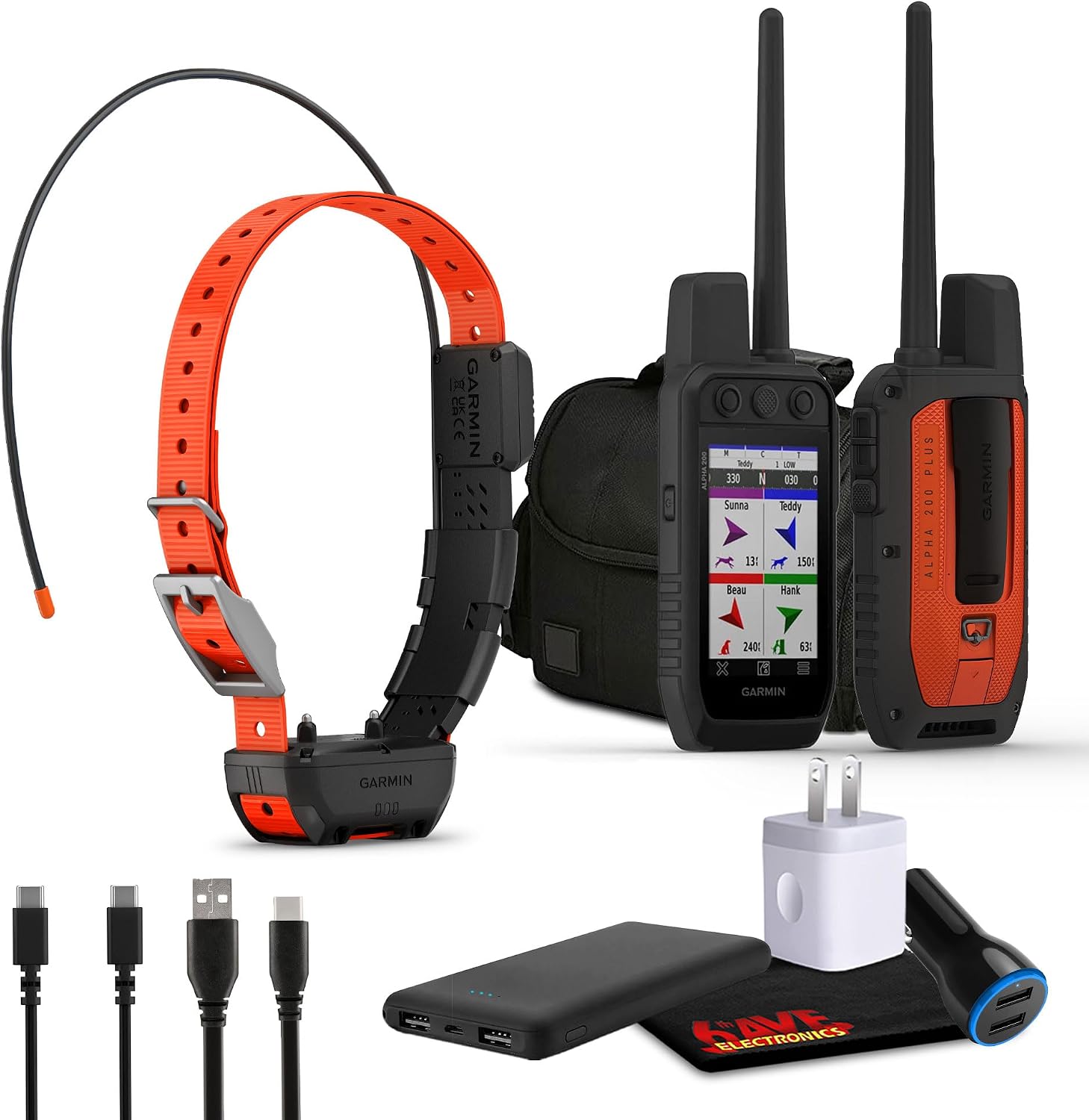 Visit on Amazon → Visit on Amazon →Tractive XL Smart Dog GPS Tracker |
Live tracker with virtual fence and vital signs monitoring | Required for live tracking, verify terms | Up to 6 weeks | Most owners, older dogs, hunting dogs | $89.00 |
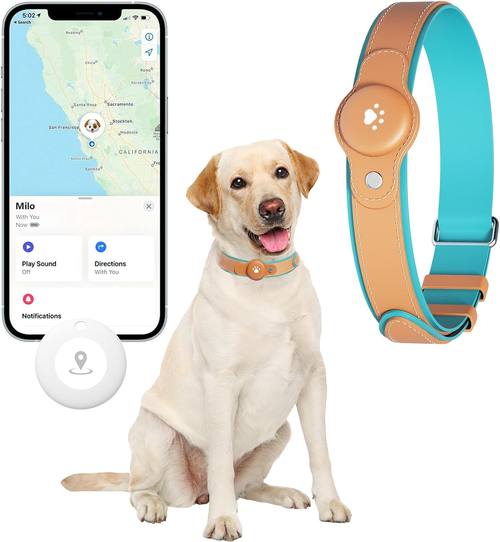 Visit on Amazon → Visit on Amazon →Smart Pet Collar with Real-Time Tracking |
No-fee tracker, collar and tracker included, waterproof | None stated | 365 days as listed | Yard and neighborhood escape artists | Check current Amazon price |
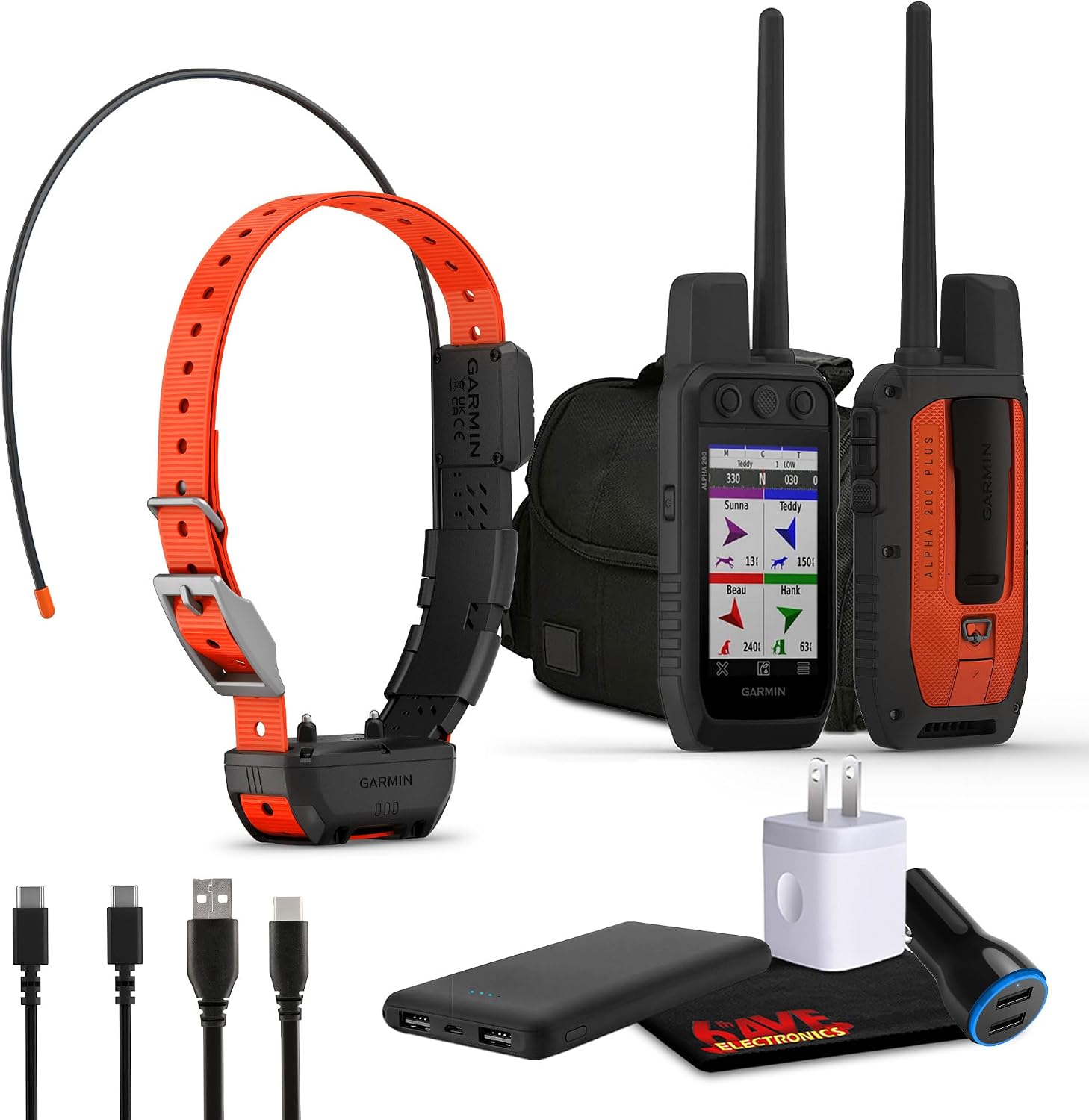 Visit on Amazon → Visit on Amazon →No Monthly Fee Dog Tracker, Add-On Unit |
Off-grid collar unit, add-on only | None stated | Not stated on the listing | A second dog on an existing system | $79.99 |
 Visit on Amazon → Visit on Amazon →AngelSense GPS Tracker |
Wearable human tracker for kids, special needs, elderly | Verify on the listing | Not stated on the listing | Not a dog product | Check current Amazon price |
The three-year cost math
Ten to fifteen dollars a month is the range I see for live pet tracking. Over three years that is $360 to $540. Say it out loud: the subscription costs more than the tracker. That math is why the no-fee models above exist, and it is why the plan column sits ahead of the battery column in my table.
The honest trade is this. A paid plan usually buys live tracking on a real network with better coverage. A no-fee unit usually gives something up, and the thing it gives up is often range or update frequency. Neither is automatically wrong. What is wrong is buying a cellular tracker and meeting the plan cost in month two, or buying a no-fee tracker and finding out it only works within a hundred feet of your phone.
Should you buy the Tractive XL Smart Dog GPS Tracker?
Yes, for most owners. It does live tracking, geofencing, and health monitoring, and it attaches to the collar you already use. Plan for the data plan behind live tracking, treat the six-week figure as a duty-cycle number, and check the mount fit on a thick coat. If you want one tracker that covers the everyday escape and the health question at the same time, this is the one I point to first.
Should you buy the no-subscription smart collar?
Buy it if the monthly bill is the reason you have not bought a tracker yet. Then verify two things before you trust it: whether it holds its own GNSS lock, and what the real range is. If both answers hold up, it is a genuine option for a dog who works the fence line and the neighborhood.
Should you buy the off-grid add-on unit?
Only if you already own the base system. If you do, and you have a second dog, yes. It is the least fussy way to add coverage without a second bill. If you do not own the base, skip it and start with one of the standalone units.
Should you buy the AngelSense?
Buy it for a person, not a dog. It is the right tool for a child with autism, a family member with special needs, or an elderly parent, and it is the wrong tool for a husky. What it teaches you is what a recovery feature set should look like, and that is worth knowing before you spend anything on a collar.
What I would actually do
Start with the Tractive XL if you want live tracking and health monitoring and you can live with a plan. Start with the no-fee collar if the bill is the blocker and you can confirm it locks on its own. Add the off-grid unit only if you already run that system. And keep the collar fit tight, because the tracker that falls off in thick brush is the one that never comes home.