Every off-leash owner eventually has the same conversation with themselves. She has never run off before, so why would she start now. Then a deer crosses the trail, the recall does not land, and you spend forty minutes learning exactly how loud your own voice sounds in a canyon. A dog GPS tracker is the answer to that specific moment, but only if it is the right kind of tracker. Bluetooth tags are not GPS trackers no matter what the listing implies; they work while your dog is in the house and stop working the second she is out of Bluetooth range. Real tracking starts with a satellite fix, and that means choosing between a device that runs on a cellular plan and a no-fee design that borrows a network you already own. This guide compares six options across the things that matter on a bad day: how position data reaches you, what the plan costs over three years, how the battery holds up, whether the housing survives water and teeth, and which recovery features you can actually use at night.
Related: How to Run a Lost Dog Drill Before You Need One
Quick answer
The Tractive Smart Dog GPS Tracker is the strongest fit for most owners who want live tracking and a virtual fence in one unit, because it pairs real-time location with heart and respiratory rate monitoring, bark monitoring, and a collar attachment that works with the strap your dog already wears. Choose the GPS Tracker for Dogs & Cats, No Monthly Fee, No SIM Card instead when you refuse to take on a subscription and can accept the trade-offs of a no-fee design.
Dog GPS trackers worth comparing
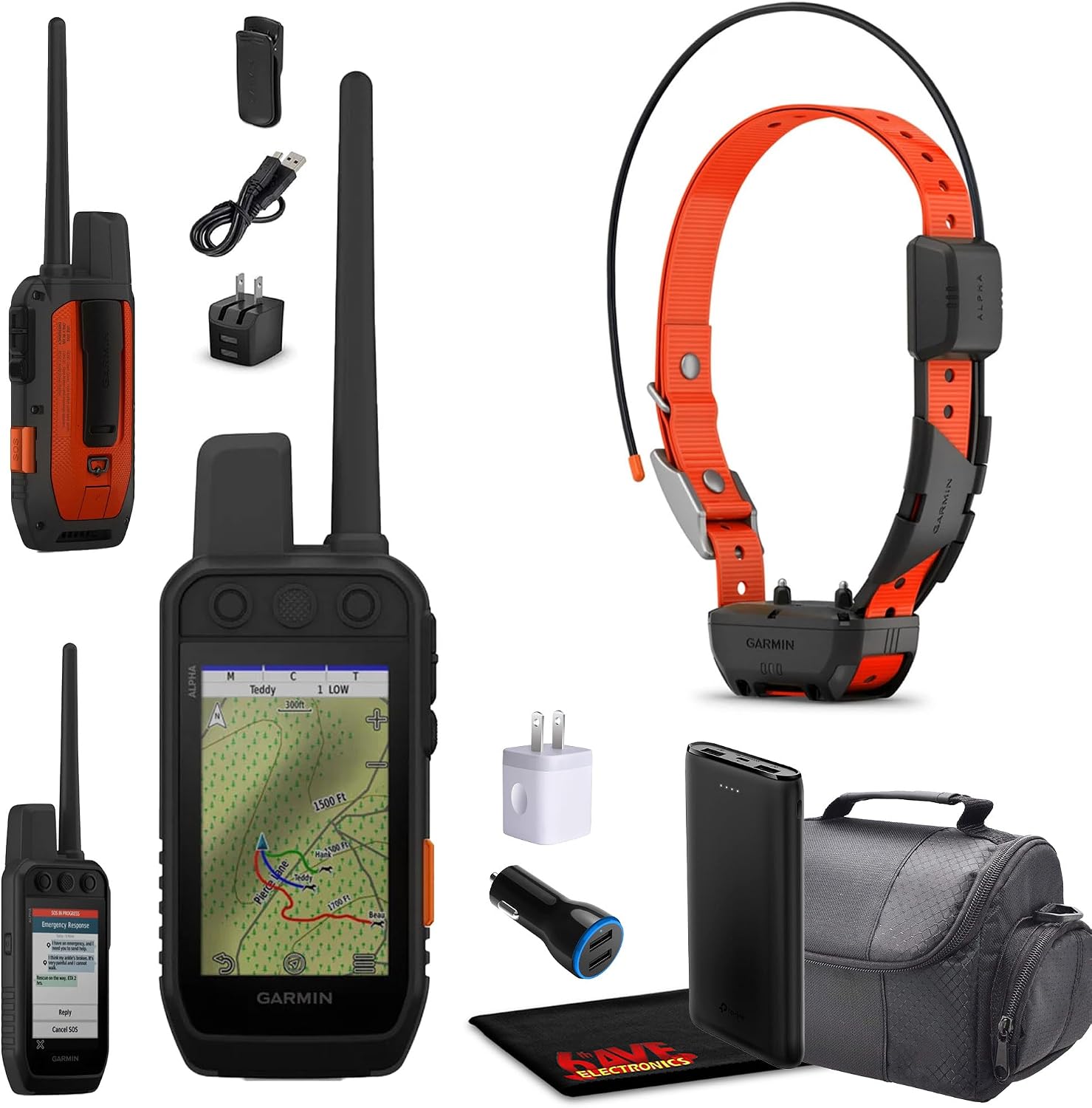
Tractive Smart Dog GPS Tracker | Live Pet Tracker with Virtual Fence | Vital Signs Monitoring of Heart & Respiratory Rate | Bark Monitoring | Dog Collar Attachment (Brown)
Live tracking with a virtual fence, plus monitoring of heart and respiratory rate and of barking. Attaches to the collar your dog already wears and is offered in brown.
Visit on Amazon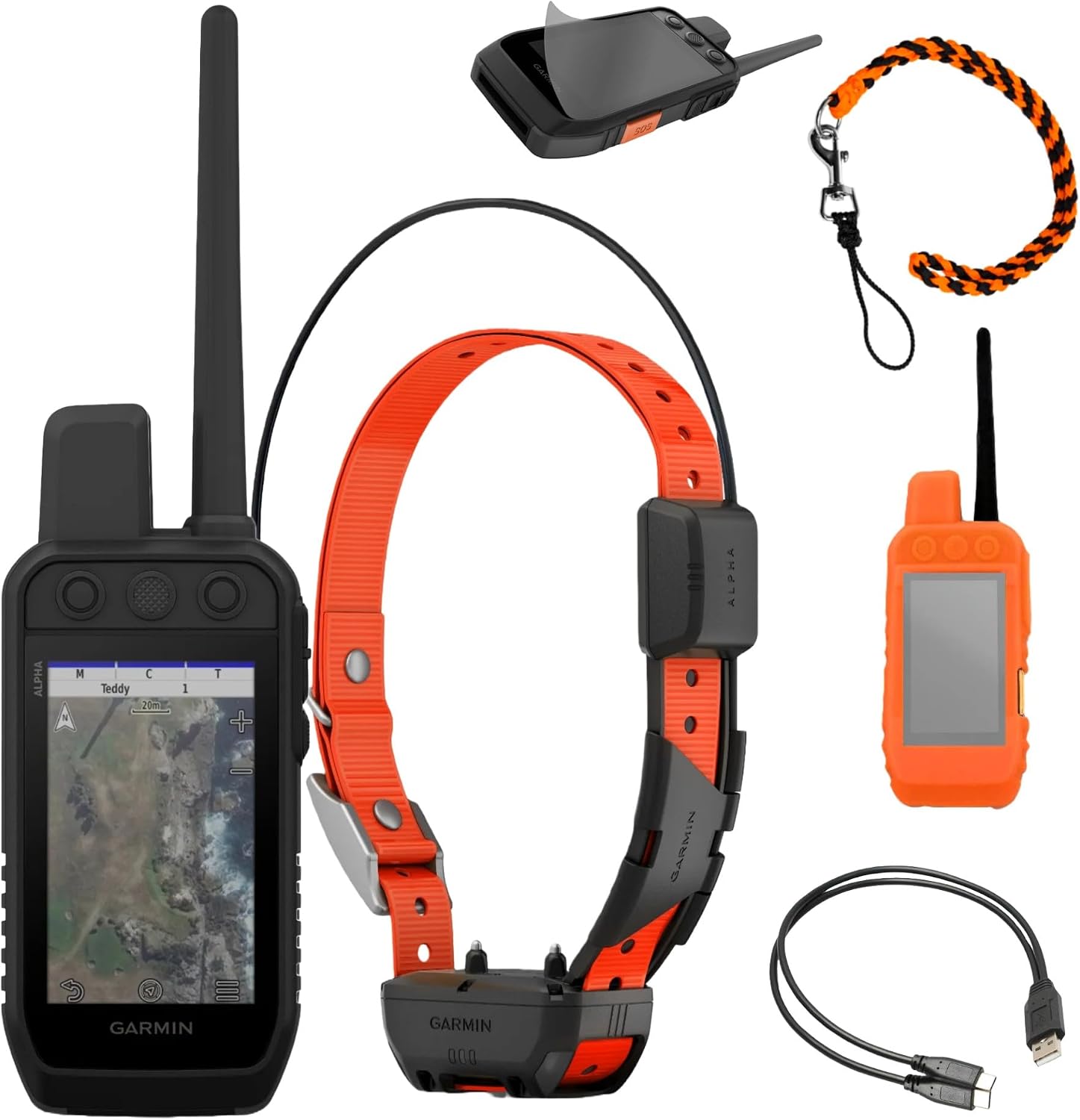
DBDD GPS Dog Tracker with Subscription, Virtual Fence & Health Monitor, IP67, WH
A subscription-based dog tracker that lists a virtual fence and a health monitor, with an IP67 housing rated against water and dust.
Visit on Amazon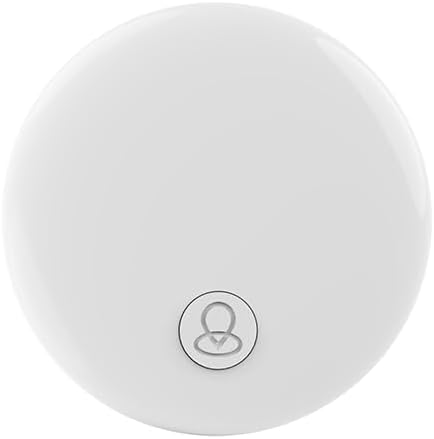
GPS Tracker for Dogs & Cats, No Monthly Fee, No SIM Card, Real-Time Positioning & Smart Anti-Lost Alerts, Mini Waterproof Drop-Proof Pet Tracker, Long Battery Life, for iOS Find My (Apple MFi Certified)
Check current Amazon price
Listed with no monthly fee and no SIM card, using Apple Find My for real-time positioning and anti-lost alerts in a mini waterproof, drop-proof housing with long battery life.
Visit on Amazon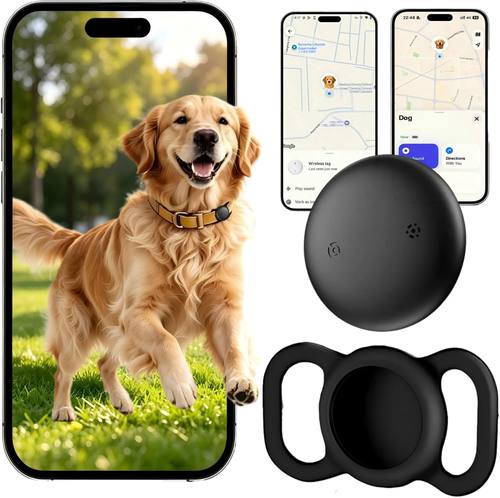
GPS Dog Tracker Collar (iOS & Android) - No Subscription Real-Time Tracking
Check current Amazon price
A collar-format tracker that works with iOS and Android and is listed with no subscription and real-time tracking.
Visit on Amazon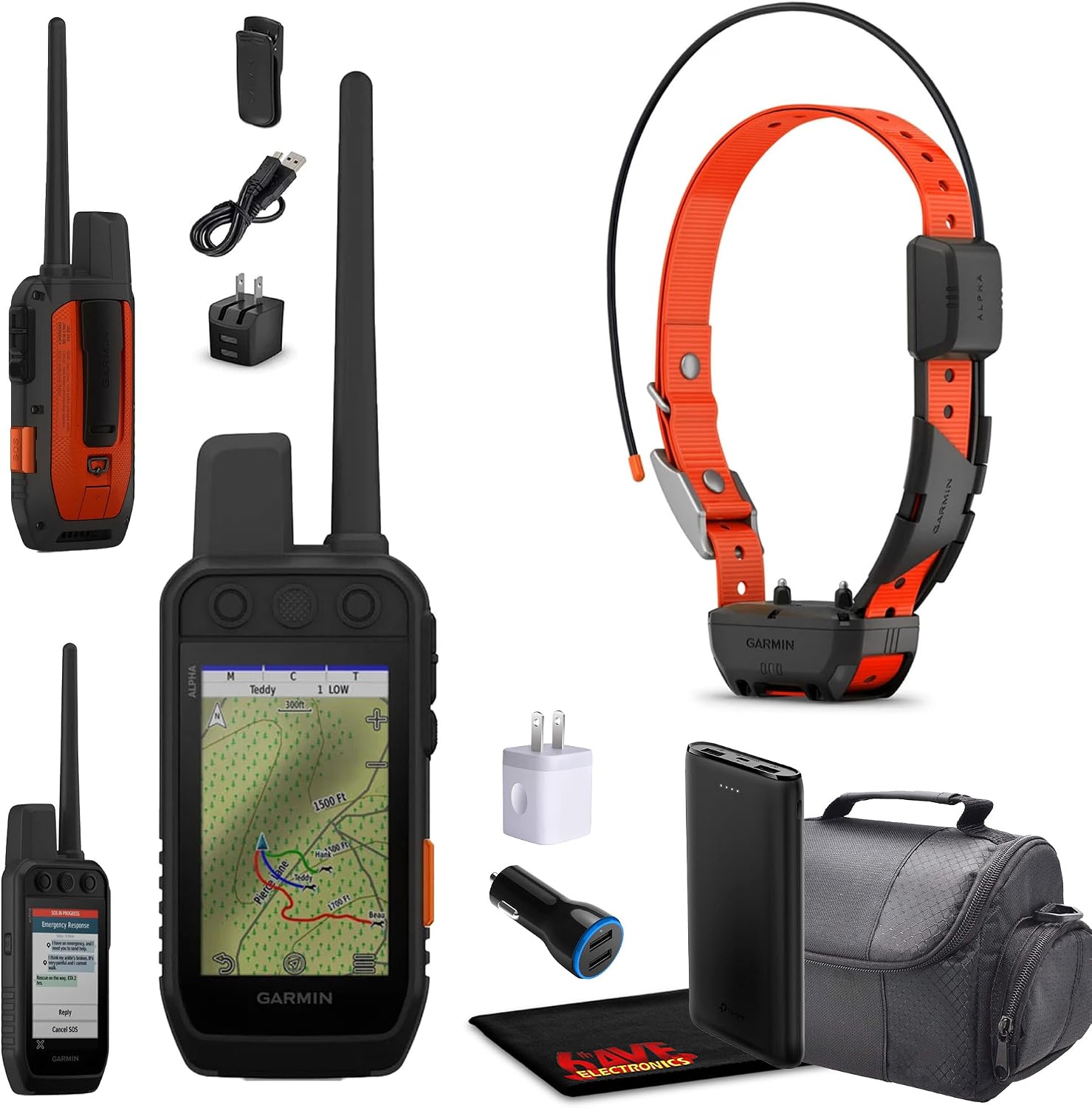
MeeXH GPS Wireless Dog Fence Collar, Smart Dog Tracking Collar with App-Controlled Custom Virtual Boundaries, Real-Time GPS Tracker for Dogs, Escape Alerts with Sound & Vibration Guidance, Waterproof
A wireless fence collar with app-controlled custom virtual boundaries, real-time GPS tracking, and escape alerts that use sound and vibration guidance in a waterproof housing.
Visit on Amazon
AngelSense GPS Tracker for Kids - for Autism Safety, Special Needs, Elderly
Check current Amazon price
A wearable GPS tracker designed for children, people with autism or other special needs, and elderly adults. It is a tracker for people, not a dog tracker, and it turns up in pet searches by mistake.
Visit on AmazonPrices and availability may change. Check the retailer for current details.
How these products were compared
This guide compares how each tracker gets a position to your phone, what a subscription does to a three-year cost, battery life and duty cycle, IP rating and attachment security, and recovery features such as last known location, geofence alerts, and anything that helps at night. Product names, images, and retailer links are matched so that every card points to the product shown. The comparison is built from the specifications and features each maker publishes for the model listed. It is not a claim that every unit here has been through a timed recovery drill in the backcountry.
One criterion deserves its own note: cost of ownership. A tracker that lists at a modest price and then requires a monthly plan is not the cheaper device over three years. The plan is usually the bigger number, and the plan is the part that is easiest to forget when you are comparing two listings side by side at midnight.
How to choose the right dog GPS tracker
Start with the network question, because it decides everything else. Cellular trackers use towers to send positions to your phone, which is why they work at long distances and why they need a plan. A no-fee design that leans on a phone ecosystem you already own removes the monthly bill, but it also ties you to that ecosystem and to whatever coverage your phone has. Neither approach is wrong. They fail in different places. If you hike deep canyons and dense pines, decide in advance which failure you can live with.
Then decide what you actually need the device to do. Live tracking is the headline feature, but recovery features are the ones that end a search: a last known location that still displays when the signal drops, a geofence alert that fires when your dog leaves a boundary you drew, and something visible or audible you can trigger after dark. A tracker that shows a moving dot but forgets the last position is a party trick. A tracker that shows you where your dog was two minutes before the signal died is a lifeline.
Battery is the third filter and the least glamorous. A unit that dies at hour fourteen of a long day is a rock with a subscription attached. Think in duty cycles rather than in marketing numbers: how often the device reports, how much of that reporting is live versus interval-based, and how long a charge lasts under the reporting mode you will actually run. If you only ever track on weekend walks, a shorter cycle is fine. If you are out for ten hours with a dog who has already escaped three times, buy for the longest realistic day, not the average one.
Finally, look at the housing and the attachment. Dogs swim, roll, and chew. A tracker that is not rated IP67 and not built to stay clipped through thick brush is a donation to the forest. Check how the unit mounts: a collar attachment that uses the strap your dog already wears is one less thing to fit, while a dedicated collar means measuring the neck and getting the fit right the first time.
Tractive Smart Dog GPS Tracker
The Tractive Smart Dog GPS Tracker is a collar attachment in brown that covers the core job and then adds health context. It lists live tracking with a virtual fence, plus monitoring of heart and respiratory rate and of barking. For an owner who wants one app that answers "where is she" and also keeps a rough eye on how she is doing, that combination is hard to argue with. It uses the collar strap your dog already wears, so there is no second collar to size and no new hardware around the neck.
The trade-off is the plan. A cellular tracker needs one, and the subscription is the real price of ownership, not the hardware. Set a calendar reminder for the renewal date before you need it, because a plan that auto-renews without warning is a bad surprise in a month when nothing else is going right. The health and bark monitoring are extras rather than reasons to buy. The reason to buy is the live tracking and the fence, and those are the features to judge it on.
Alternatives to consider
The DBDD GPS Dog Tracker with Subscription, Virtual Fence & Health Monitor, IP67, WH is better suited to an owner who wants a virtual fence and a health monitor in a housing explicitly rated IP67, and who is comfortable with a subscription from the start.
The GPS Tracker for Dogs & Cats, No Monthly Fee, No SIM Card and the GPS Dog Tracker Collar (iOS & Android) are stronger fits when the monthly bill is the dealbreaker. Both are listed as no-subscription, real-time designs, and the first adds a mini waterproof, drop-proof housing with anti-lost alerts through Apple Find My. Read those listings closely and confirm which phone platform each one supports before you buy, because a no-fee tracker that does not match your phone is a paperweight.
The MeeXH GPS Wireless Dog Fence Collar covers a different job: app-controlled custom virtual boundaries with escape alerts delivered through sound and vibration guidance. If your main worry is the property line rather than the trail, that framing will make more sense than a pure tracking device. I do not review shock-based containment gear, so judge the guidance method against your own training approach.
The AngelSense GPS Tracker for Kids is not a dog product and should not go on a collar. It is a wearable for children, people with autism or other special needs, and elderly adults, and it appears in pet searches because of how trackers get categorized. If you are shopping for a dog, skip it.
Day-to-day use and maintenance
Fit is where most trackers fail. The unit should sit snug against the neck without sliding under the jaw, and you should be able to fit two fingers between the strap and the dog. Check the attachment after every off-leash session in heavy cover, and again after any swim. Two of the trackers people find in the woods are not on dogs because the mount gave up, not because the electronics did.
Build a charging routine and stick to it. Charge the night before a hike, not the morning of, and keep a spare cable that your dog cannot reach. Cables are the cheapest part of the system and the first thing chewed. If your tracker is rated IP67, rinse the housing in fresh water after a swim in a lake or a stock tank, dry it, and check the charging contacts for corrosion before you plug it in.
Before you leave the trailhead, open the app and confirm three things: the device is reporting, the geofence you care about is active, and the battery has enough duty cycle left for the day you planned. That thirty-second check is the difference between a working tracker and a subscription you are paying for but not using. Keep the app updated, since recovery features live in the app as much as in the hardware, and write the renewal date somewhere you will see it.
Buying checklist
- Measure your dog's neck and confirm whether the unit attaches to your existing collar or needs its own strap.
- Choose the network approach, cellular with a plan or no-fee with a phone ecosystem, based on where you actually walk.
- Confirm the exact model includes a virtual fence, geofence alerts, and a last known location that displays without a live signal.
- Check the IP rating and how the mount secures before you trust it in water or brush.
- Verify the current retailer price, availability, return terms, and the subscription renewal terms.
Final recommendation
Choose the Tractive Smart Dog GPS Tracker when you want live tracking, a virtual fence, and health context in a single app, and when you are ready to pay for a plan and track the renewal date. Choose the GPS Tracker for Dogs & Cats, No Monthly Fee, No SIM Card when the monthly bill is the thing you will not accept, and confirm it matches your phone before ordering. If your real problem is the property line rather than the trail, the MeeXH GPS Wireless Dog Fence Collar is the one framed around boundaries and escape alerts. The AngelSense GPS Tracker for Kids belongs in a different category entirely and does not belong on a dog.