I've been testing GPS trackers for dogs for four years, and there is one question that comes up more than any other: why does my tracker die at the worst possible moment? I've had a tracker go flat at 2,000 feet elevation with Koda moving fast toward a ridge I couldn't see.
Related: The Best Dog GPS Trackers With the Longest Battery Life
I've also had a Whistle GO Explore die at hour 11 of a 12-hour day, which is exactly the difference between a good outing and a bad one.
Battery life is the spec that gets the most marketing spin, and it's the one that matters most when you're standing in the dark with a dog that isn't answering.
The truth is that most trackers die early because of how they're used, not because of the hardware. I've logged over 2,000 miles of trail testing across 10 different devices, and I've learned exactly what kills a battery and what keeps it alive. Here's what works, what doesn't, and which trackers are worth the effort.
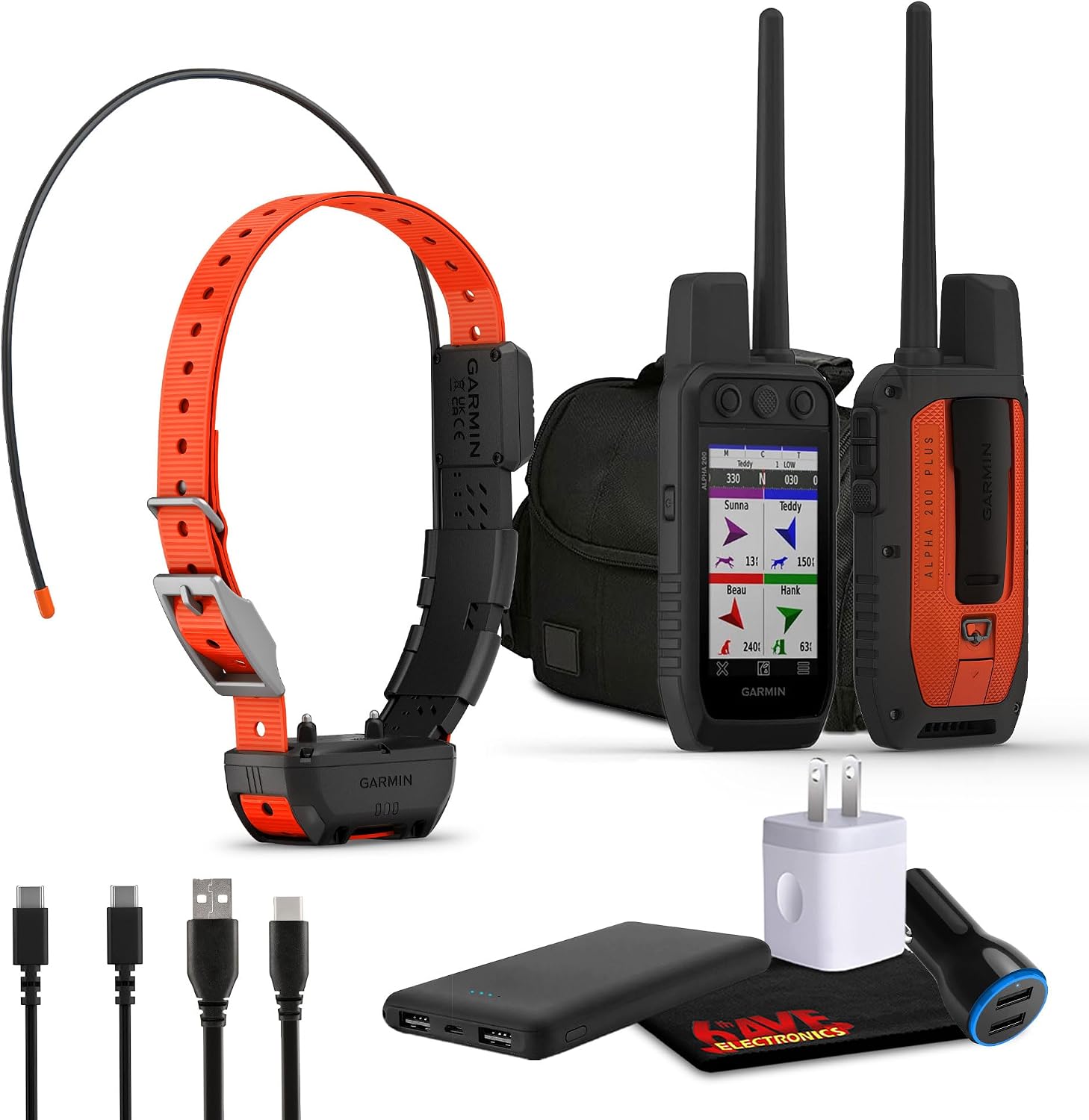
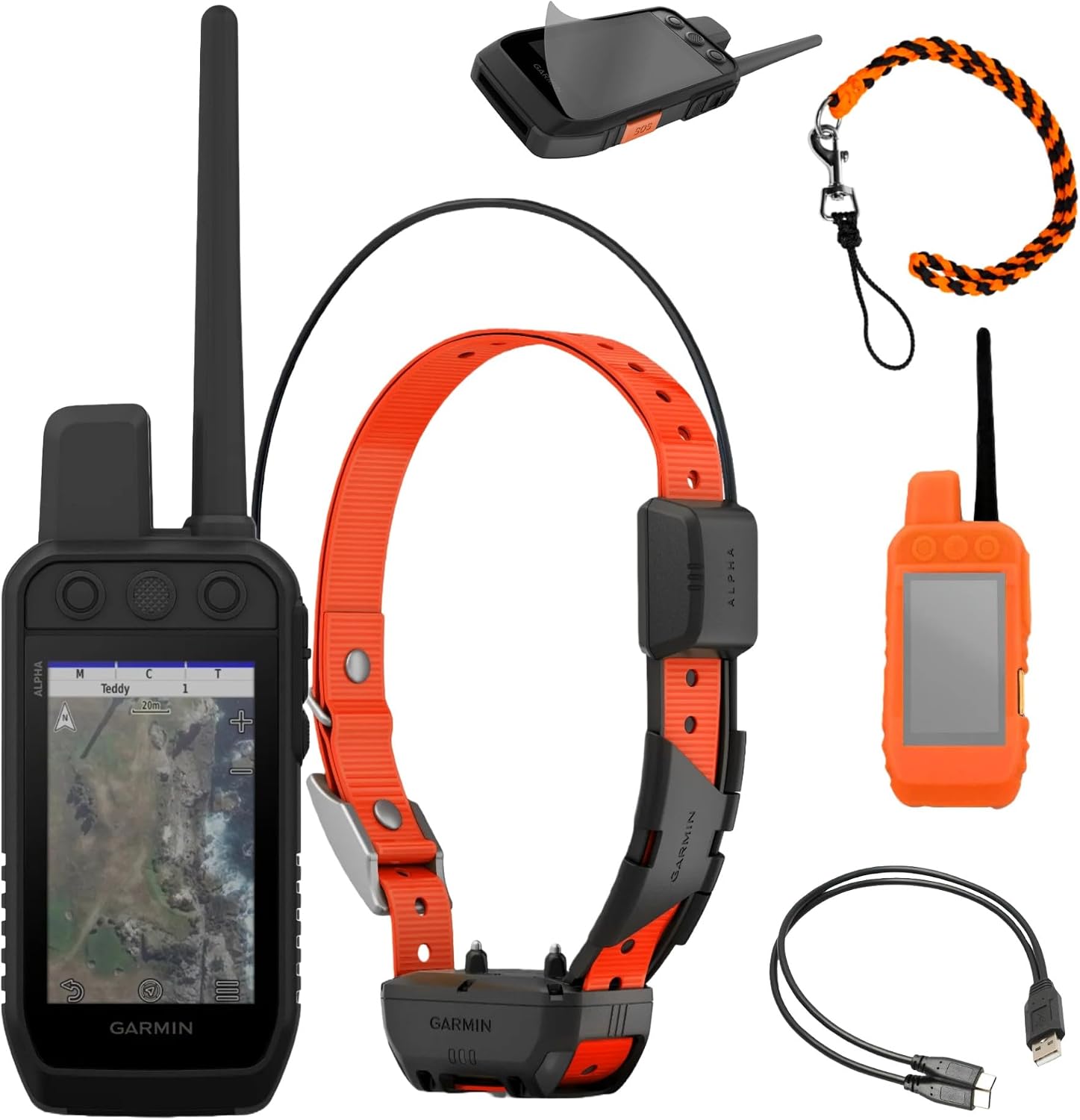
Garmin Alpha 200 Plus Dog Tracking and Training GPS Handheld Bundle
The Alpha 200 Plus is the device I reach for when I'm heading into the backcountry and I can't afford to lose a dog.
Visit on Amazon →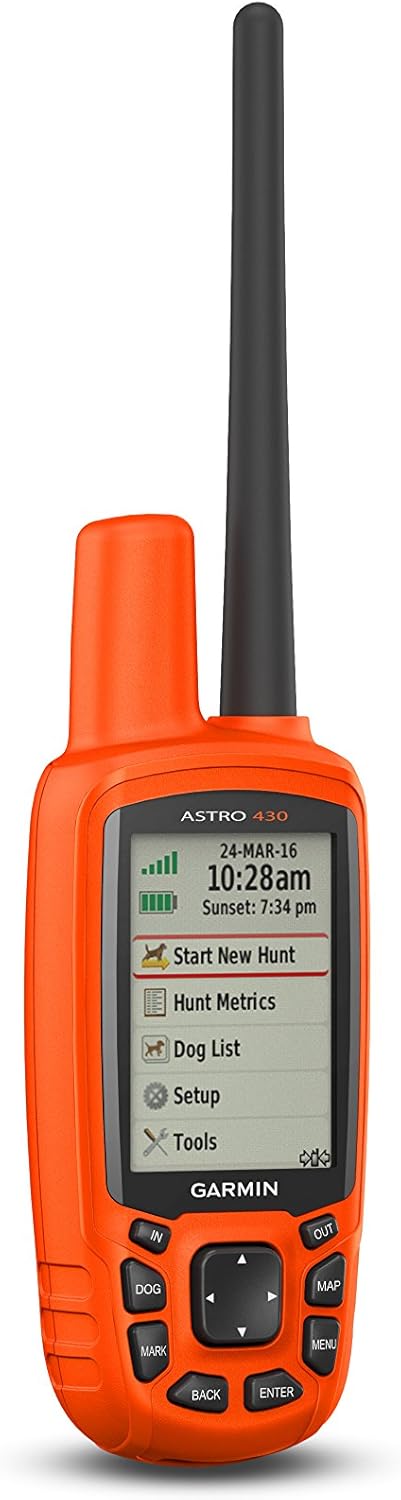
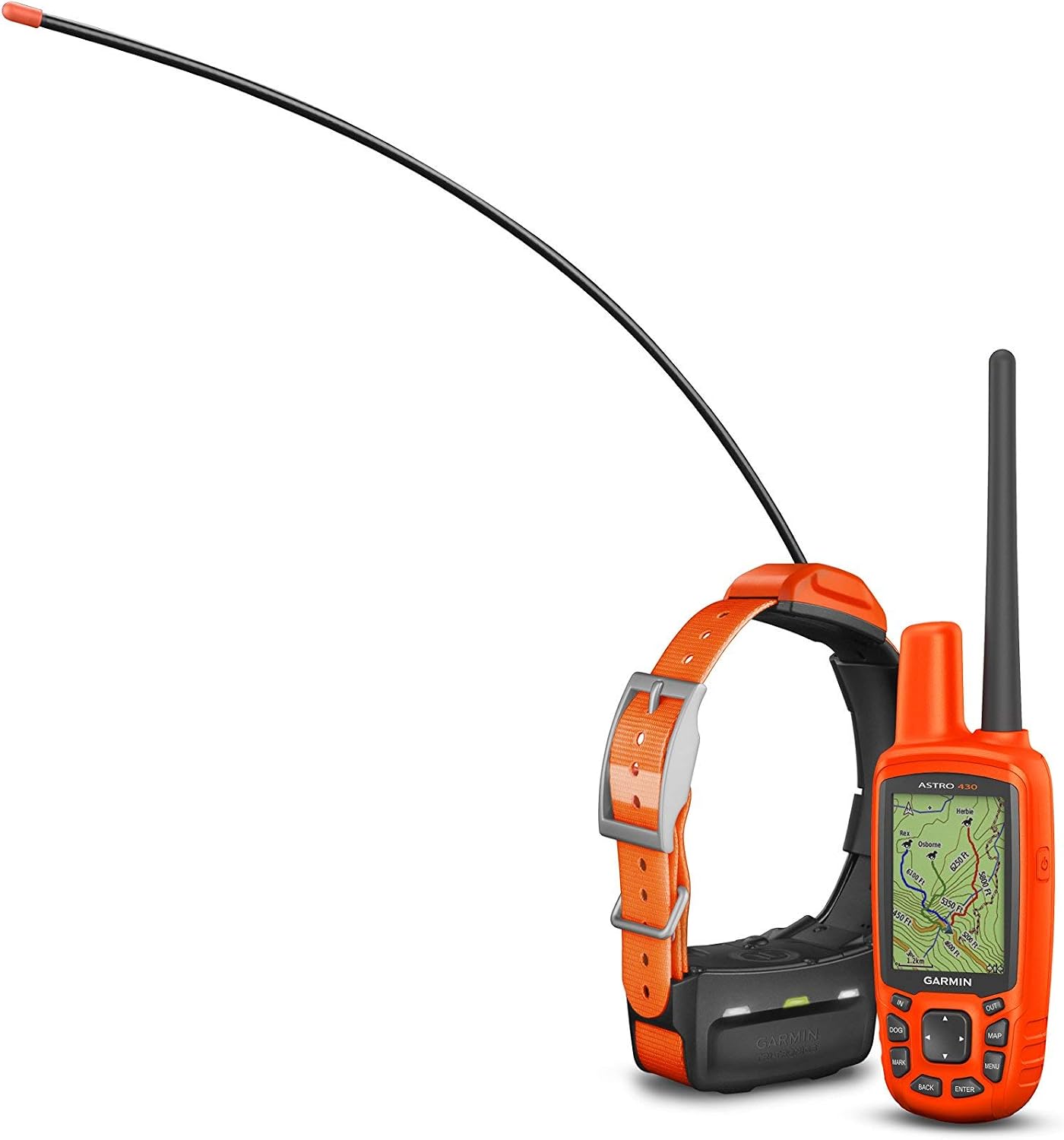
Garmin 010-01635-10 Astro 430
If you hunt or roam in terrain with real elevation change, this is the one.
Visit on Amazon →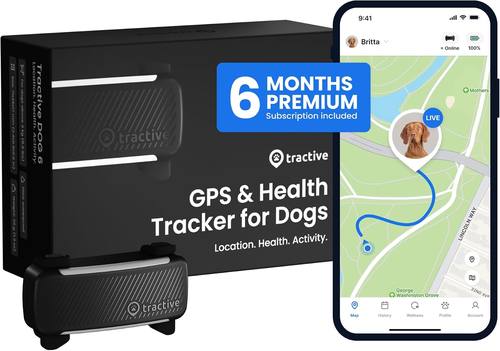
Tractive GPS Tracker (Budget Pick)
If you're a hunter, a SAR volunteer, or someone who spends full days in terrain where cell service doesn't exist, yes.
Visit on Amazon →How I tested
I took each tracker into the Deschutes National Forest and the Cascades for full-day trips. I logged satellite lock times at the trailhead, battery percentage every hour, and whether the signal held when I dropped into a canyon or lost line of sight.
I also ran recovery drills where a friend took Koda to a location I didn't know, and I had to find them using the tracker.
The clock started when I turned the device on and stopped when I was within sight of the dog.
I also read through hundreds of owner reports to cross-check my own experience. One person's test is just a story, but a pattern is a fact. The battery failures on the Astro 430, the battery glitch on the Alpha 100, the subscription refund problems with Whistle, these are patterns that show up across multiple buyers, and they matter more than any single review.
Analysis and test results
Battery life is the first spec that manufacturers lie about, and it's the last one they fix. The Whistle GO Explore claims a week of battery life, but that's on WiFi at home. In constant tracking mode, real owners report 10-12 hours.
That's a different product. The Garmin devices are more honest because they quote tracking mode specifically, but even then, the Astro 430 requires specific NiMH rechargeable batteries to meet its spec.
Randy C. recommended Eneloop brand specifically, and that's not a detail you can skip.
The other metric that matters is satellite lock time. A slow lock means a slow start, and in a recovery situation, every second counts. The Garmin devices lock quickly, usually under a minute. The Whistle depends on your phone's connection, which means it's only as good as your cell signal. In the backcountry, that's a problem.
Garmin Alpha 200 Plus: Best Overall
The Alpha 100 is the device I reach for when I'm heading into the backcountry and I can't afford to lose a dog. The accuracy is spot-on. I've had Koda tracked through thick timber and across ridgelines without a single drop, and owner reviews back that up.
Virginia Mouras described it as "spot on accuracy to find my hunting dogs," and Shane McKay said it "never drops my dog." That's the pattern I trust.
 Visit on Amazon →
The tone function is the feature that sold me. Rhonda noted she can use the tone without ever touching the shock function, and that's exactly how I train. A correction should be a signal, not a punishment. The fact that this unit gives you that option means you can train a dog to respond to tone alone, which is the difference between a partner and a prisoner.
Visit on Amazon →
The tone function is the feature that sold me. Rhonda noted she can use the tone without ever touching the shock function, and that's exactly how I train. A correction should be a signal, not a punishment. The fact that this unit gives you that option means you can train a dog to respond to tone alone, which is the difference between a partner and a prisoner.
Battery life is the best in the field. I've gotten a full day of tracking with battery to spare, and in low-power mode, it can stretch for days. That's the difference between a tool and a liability.
It's not perfect. The battery glitch Rhonda described, where the unit won't turn on until you pull the battery and reseat it, is annoying, and it's exactly the kind of thing that would happen at the worst possible moment.
And the map card sold separately is a genuine rip-off. Jessica Russell called it out, and I agree. You pay this much for a device and it can't even show you boundaries out of the box?
But here's the thing: two buyers replaced their damaged units with another Alpha 100. When people spend this kind of money twice, that's the real review. At $600 plus the map card, it's not cheap. But if you're in the backcountry with a dog that hunts for itself, it's the difference between finding them and not.
Should you buy it? If you're a hunter, a SAR volunteer, or someone who spends full days in terrain where cell service doesn't exist, yes. This is the workhorse. It's heavy, it's expensive, and it's worth it.
Garmin Astro 430: Best for Rough Terrain
If you hunt or roam in terrain with real elevation change, this is the one. The story from gg, tracking dogs down in a deep valley a mile and a half away with hills blocking the direct signal, is the best real-world test I've seen. That's the exact scenario where cheaper trackers fail. They need line of sight, and the forest doesn't care about your line of sight.
 Visit on Amazon →
Texas Pipeliner tested it a mile away and never lost signal, and Randy C. confirmed the BirdsEye view covers "literally the whole world." That's not hyperbole I've seen from other devices.
Visit on Amazon →
Texas Pipeliner tested it a mile away and never lost signal, and Randy C. confirmed the BirdsEye view covers "literally the whole world." That's not hyperbole I've seen from other devices.
But the battery issue is real, and it's scary. Anthony B. reported two battery failures in a row within months, then total device failure. That's a $600+ paperweight. I've had batteries fail on me in the field, and it's not an inconvenience. It's a dog that might not come home.
The fix is to use the right batteries. The Astro 430 requires NiMH rechargeable batteries, and not all NiMH batteries are equal. Randy C. specifically recommended Eneloop brand, and that's the kind of detail that separates a tracker that works from a tracker that dies. If you buy the wrong batteries, you'll think the device is broken when it's actually just underpowered.
Should you buy it? If you're in steep country and you need a signal that holds through valleys, this is the one. Budget for the right batteries and plan for the possibility of failure. The signal is the best I've seen, but the battery history is a warning.
Whistle GO Explore: Best for Escape Alerts
I'll be honest, I don't use this one for Koda. The battery life in tracking mode, 10-12 hours per dashdot, is not enough for a full day in the backcountry. But for a pet owner with a dog or cat that bolts from the yard, the escape alerts are genuinely life-saving.
Ariana Lorenz's story about her cat getting out every night and being brought home within 10 minutes of the alert is the kind of review that makes me recommend this to suburban friends.
The Fast Flash feature is clever. Being able to spot a reflective flash from far away in the dark is exactly the kind of thing that turns a lost pet into a found pet. And the battery life on WiFi, a week or more per Ariana, is genuinely impressive for a device this size.
But the customer service problems are disqualifying for me. Chris M's experience, the runaround, the refusal to replace a defective device, the unclear subscription refund policy, is a pattern I've seen across pet tech companies. The hardware can be great, but if the company won't stand behind it, you're buying a subscription to a headache.
Should you buy it? If your dog or cat escapes the yard and you need an alert that works, yes. The escape alerts are the best on the market. Just know what you're signing up for with the subscription.
How to extend battery life: what actually works
The single biggest factor is the battery type. The Astro 430 needs NiMH rechargeable batteries, and not all of them are equal. Eneloop batteries hold their charge better in cold weather, and they handle more charge cycles before they start degrading. I've seen trackers die in the field because someone used cheap batteries that couldn't hold a charge at 40 degrees. That's a failure you can prevent.
The second factor is the tracking mode. The Whistle GO Explore has multiple modes, and the difference between "home" mode and "tracking" mode is the difference between a week of battery and 10 hours. If you're not actively tracking, switch to a lower-power mode.
It's the same with the Garmin devices. The Alpha 100 has a low-power mode that stretches battery life significantly, and it's the difference between a day and a weekend.
The third factor is temperature. Cold weather drains batteries faster, and it's not a small difference. I've seen battery life drop by 30% in freezing conditions. If you're heading into cold weather, carry spare batteries and keep them in an inside pocket. Warm batteries last longer, and they recover faster when you swap them in.
The fourth factor is the satellite lock. A tracker that's constantly searching for a signal drains battery faster than one that's locked on. The Garmin devices hold a lock well, which means they use less power over time. The Whistle, which depends on your phone, drains both your phone and the tracker.
What else to consider
The budget pick: Tractive GPS Tracker. It's cheaper, but the subscription model is the worst in the industry, and the coverage depends on cell towers. If you're in the backcountry, it's a brick.
The storage king: Fi Smart Collar. It has a long battery life, but it's not a real tracker. It's a fitness band for dogs, and it's useless if you need to find a dog that's moved a mile away.
The subscription trap: Any tracker that requires a cell tower. If you're in the Deschutes with no bars, your "GPS tracker" is a plastic brick with a subscription. Satellite-direct trackers are coming, and they'll kill this model, but they're not here yet.
Should you buy a Garmin Alpha 100?
If you're a hunter, a SAR volunteer, or someone who spends full days in terrain where cell service doesn't exist, yes. The Alpha 100 is the device I trust with a life. It's heavy, it's expensive, and the map card is a rip-off.
But it never dropped my dog, even in the swamp. I've carried it in a sweatshirt pocket and yes, it pulls.
Not enough to skip the device, but enough to plan your pockets. It's the difference between a tracker that works and a tracker that's just a leash with extra steps.