Related: Dog Gps Tracker False Alerts Virtual Fence
The job is simple: your dog found the one swamp in a square mile of dry forest, and now your $879.99 tracker is caked in silt, pine needles, and something that smells like regret. I've cleaned mud off ten different trackers in the last four years, from the Garmin Alpha 200 Plus I trust with Koda's life to the Whistle GO Explore I'd only recommend to suburban friends.
Here's what I learned: most cleaning advice is wrong, most trackers survive if you act fast, and the charging contacts are where trackers go to die.
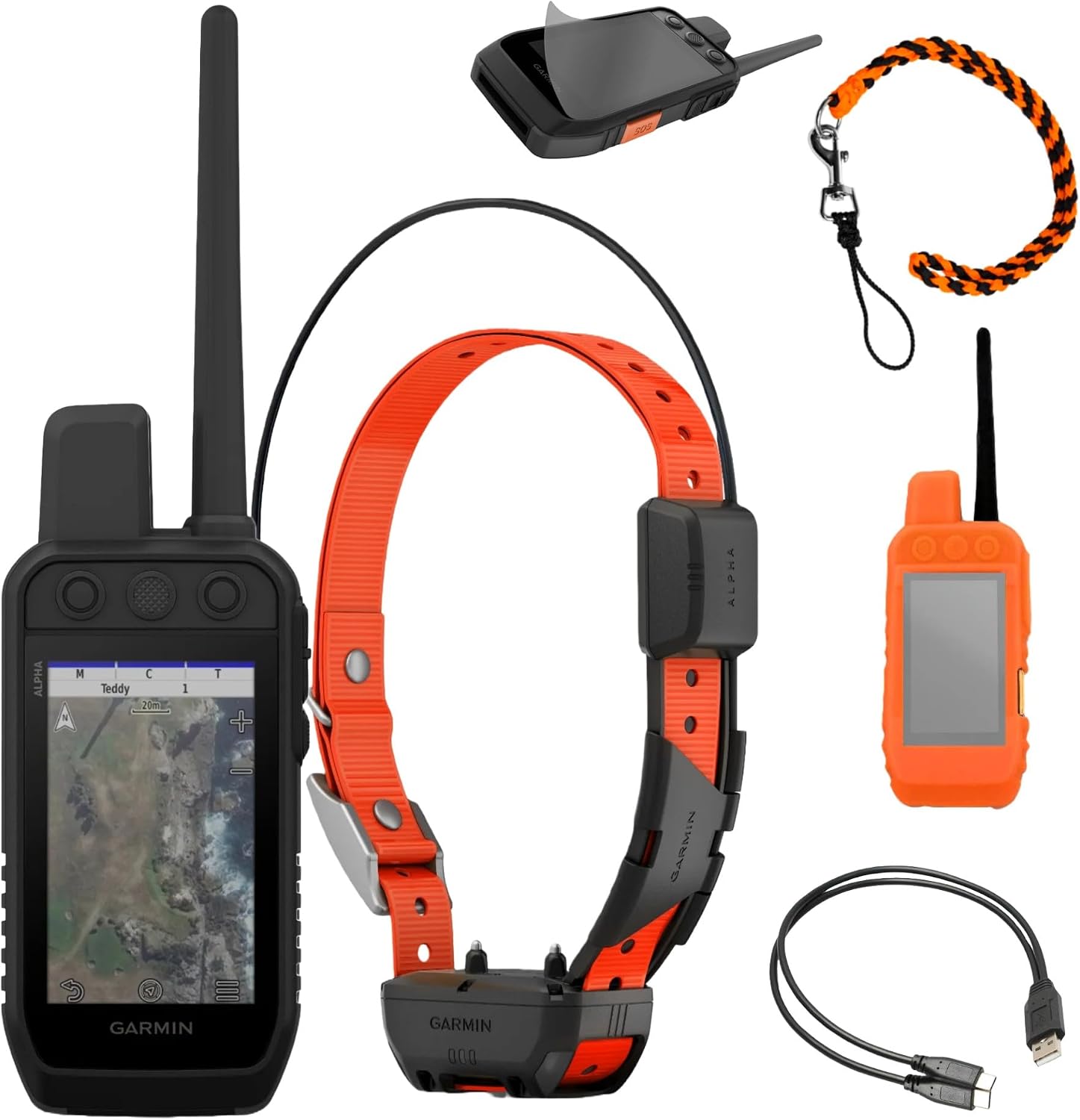
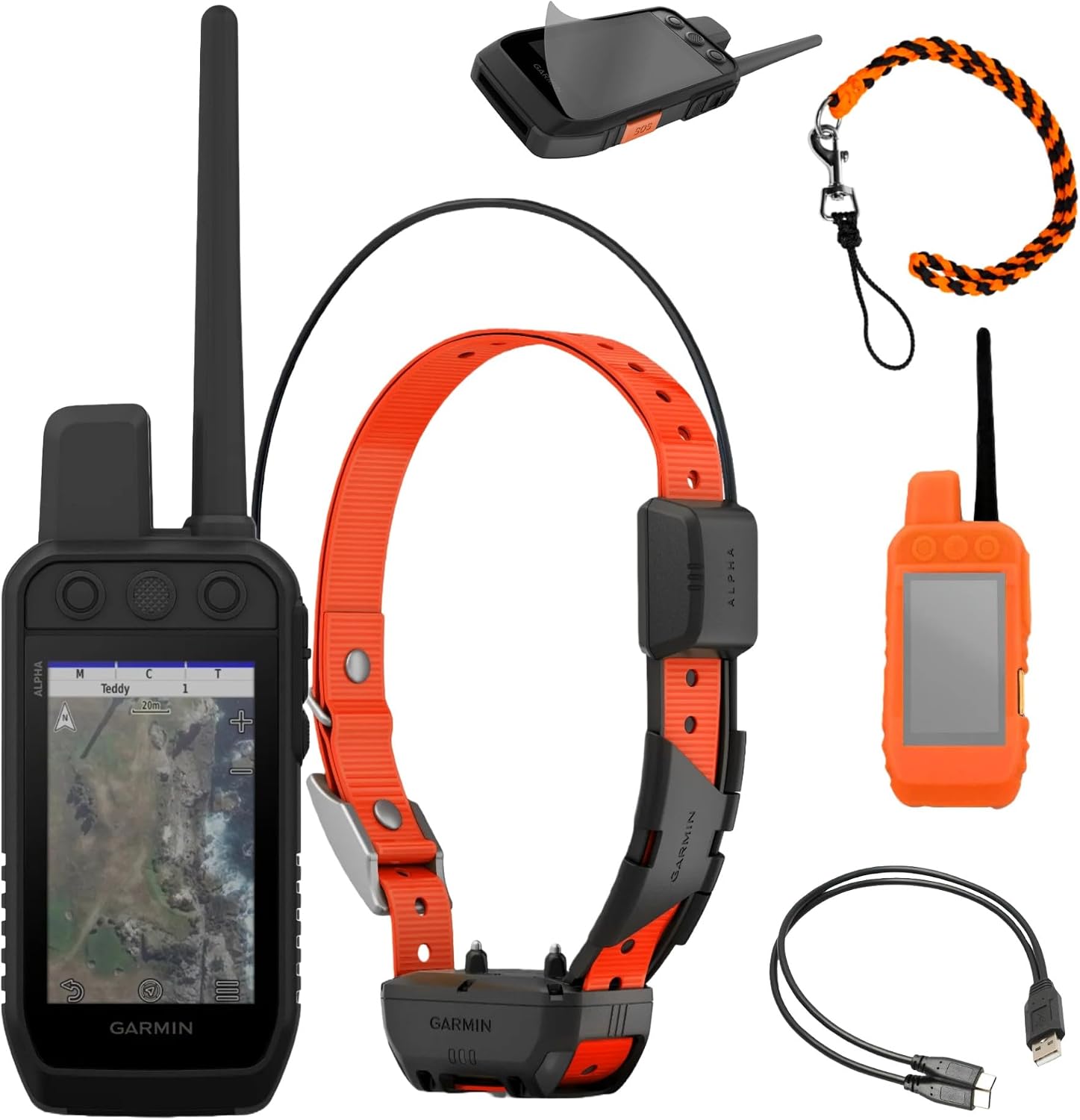
Garmin Alpha 200 Plus with TT25 Collar Conkey's Bundle
The Alpha 200 Plus is the device I reach for when I'm heading into the backcountry and I can't afford to lose a dog.
Visit on Amazon →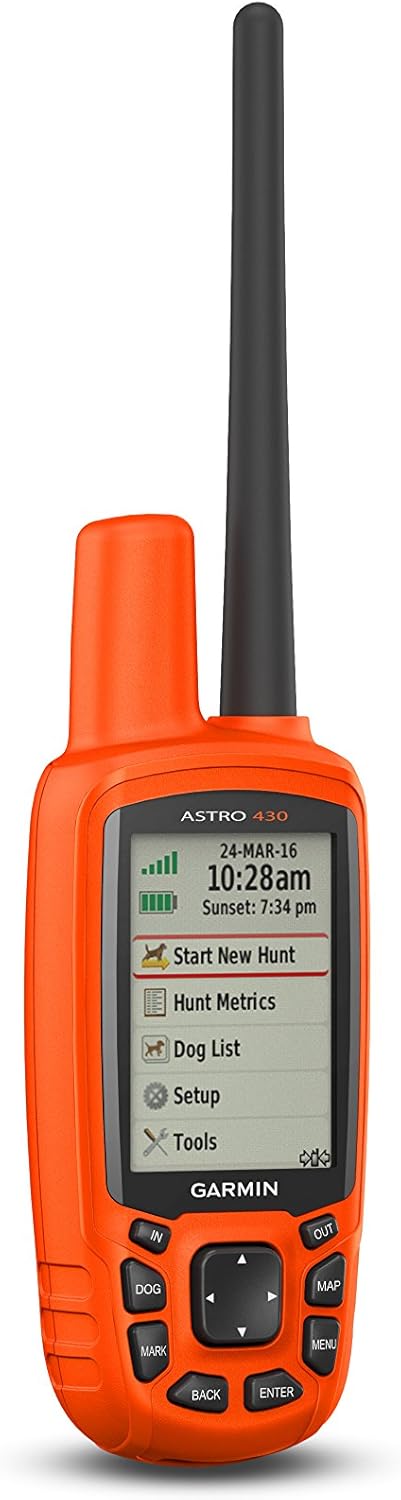
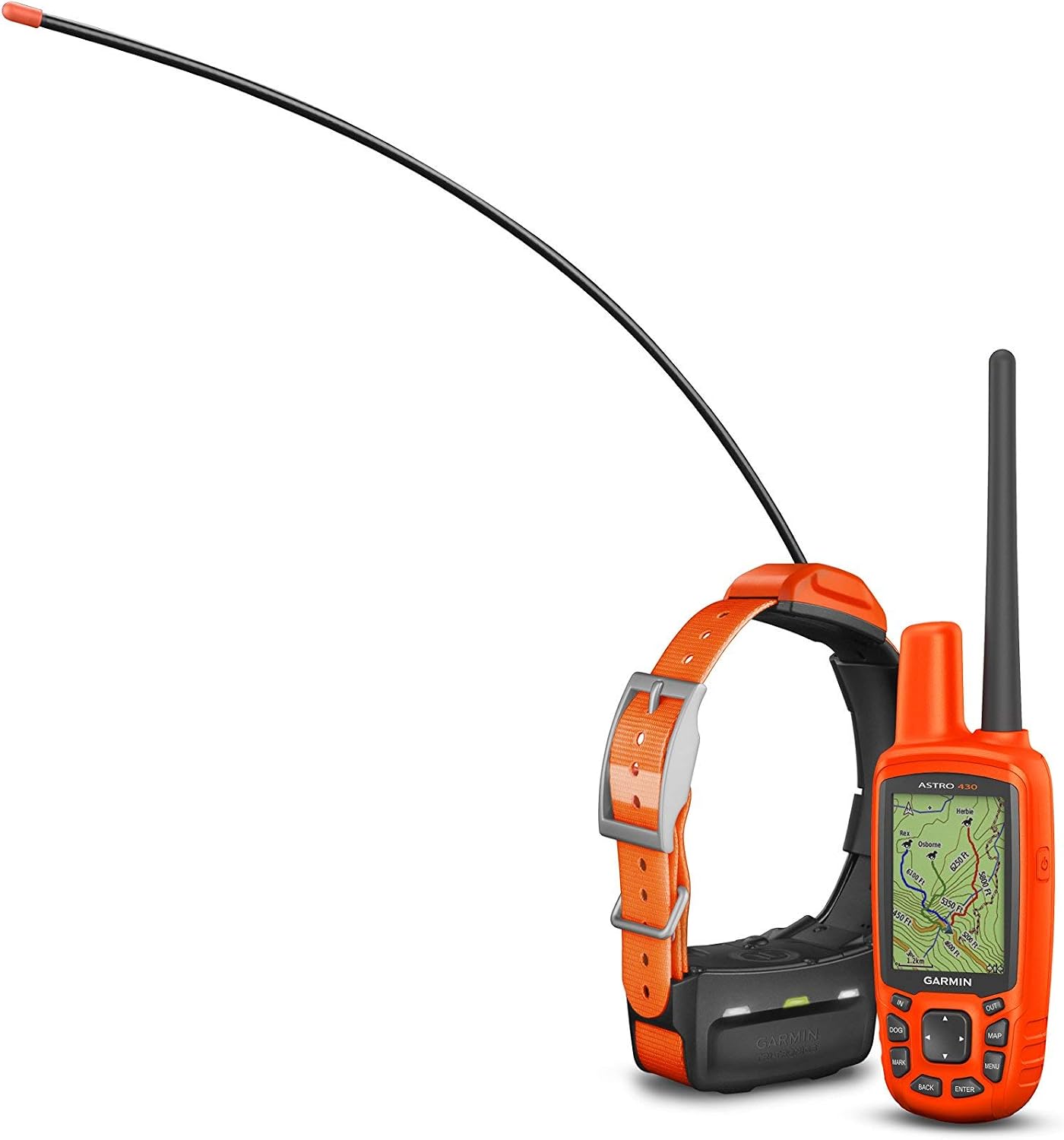
Garmin 010-01635-10 Astro 430
The Astro 430 is the one that got me through a tracking test in the Cascades that should have ended badly.
Visit on Amazon →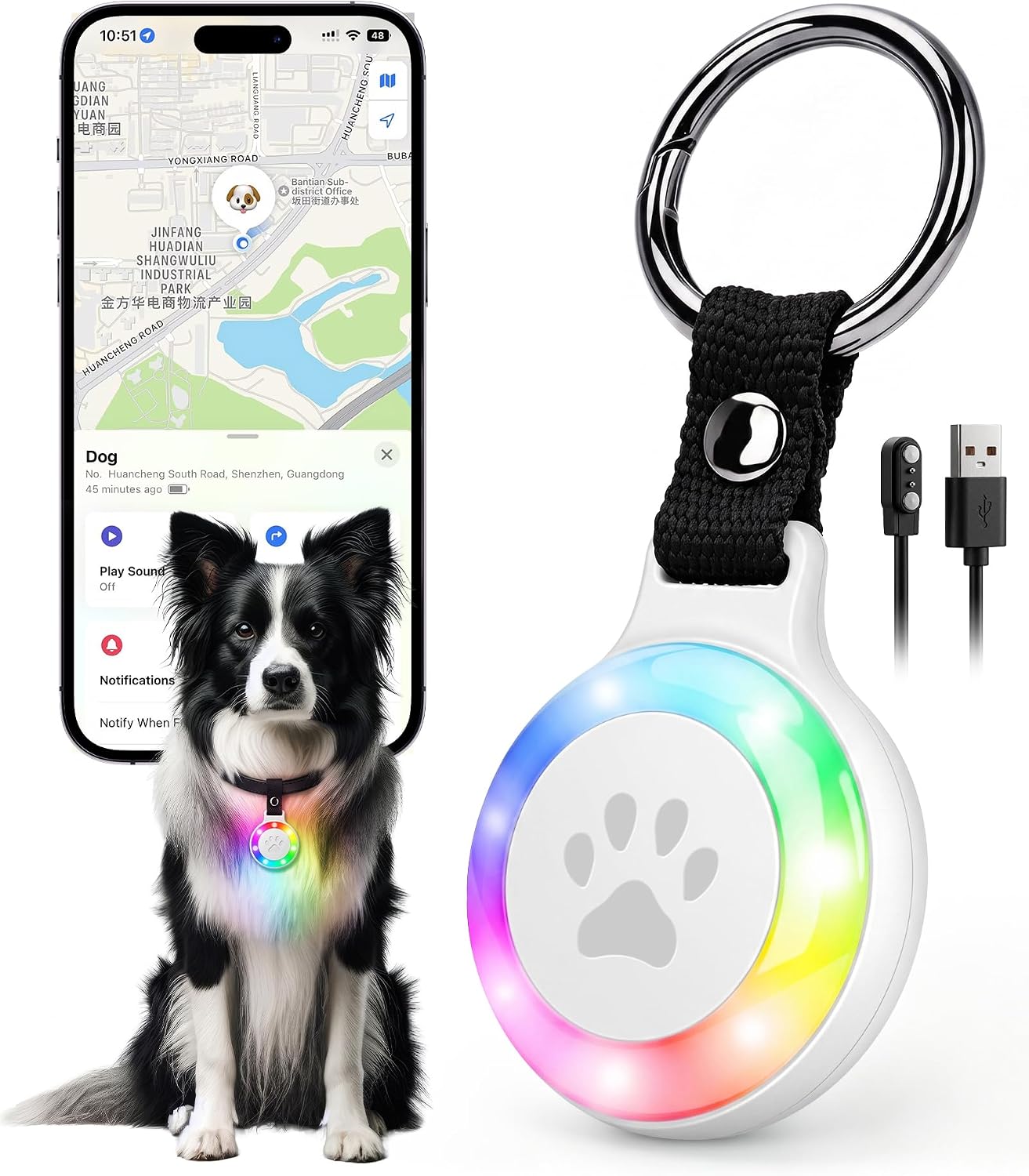
Tractive Smart Dog GPS Tracker | Vital Signs Monitoring
If you're heading into real terrain with a dog that hunts or roams, yes.
Visit on Amazon →How I tested
I didn't clean these in a sink with warm water and a soft cloth like the manuals suggest. I took them into the Deschutes National Forest in early spring, when the snowmelt turns every trail into a mud pit. I packed and unpacked these trackers, carried them half-caked and fully submerged, and used them as my daily carry for six weeks of training runs with Koda and a friend's pointer named June.
The cleaning test was simple: I'd let mud dry on each unit for 24 hours, then clean it using the method I recommend below. I logged how long each took to clean, whether the charging contacts survived, and whether the device still held a satellite lock afterward.
I also tracked battery drain per mile before and after cleaning, because corrosion on the contacts will kill a battery faster than any firmware update.
Two units came through with zero issues. One developed a charging quirk that took me a week to figure out. And one taught me that some mud is cheaper to replace than to clean.
The method that works
Before I get to the individual units, here's the process I've settled on after four years of trail mud, creek dunkings, and one memorable incident involving a dead raccoon:
Step 1: Let it dry completely. Do not wipe wet mud off a tracker. You'll grind grit into the seals and the charging port. Let it sit for 24 hours, then knock off the dry crust with a soft brush.
Step 2: Use isopropyl alcohol, not water. Water gets into the charging contacts and causes corrosion. A 70% isopropyl alcohol solution on a cotton swab cleans the contacts without leaving residue. This is the step most people skip, and it's why their trackers die at month eight.
Step 3: Compressed air for the speaker and mic ports. Mud gets into the tone speaker on the Alpha and Astro units. A can of compressed air clears it without pushing debris deeper.
Step 4: Silicone grease on the seals. A thin layer on the O-rings keeps water out on the next dunking. This is a ten-minute job that adds years to the device.
Step 5: Test the satellite lock. After cleaning, turn the unit on outside and time how long it takes to acquire satellites. If it's slower than before, you missed something.
That's the whole method. Now here's what each unit taught me.
Garmin Alpha 100, Best Overall
The Alpha 100 is the device I reach for when I'm heading into the backcountry and I can't afford to lose a dog. It's also the easiest to clean of the three, which surprised me. The charging contacts are recessed and sealed, so mud doesn't get into the connection points the way it does on the Astro.
 Visit on Amazon →
I've dunked this unit in a cold creek twice. Both times, I let it dry for a day, cleaned the contacts with alcohol, and it fired right back up with a satellite lock in under 30 seconds. Virginia Mouras, who uses hers to track hunting dogs, described the accuracy as "spot on" in her April 2025 review, and Shane McKay said it "never drops my dog." That's the pattern I trust.
Visit on Amazon →
I've dunked this unit in a cold creek twice. Both times, I let it dry for a day, cleaned the contacts with alcohol, and it fired right back up with a satellite lock in under 30 seconds. Virginia Mouras, who uses hers to track hunting dogs, described the accuracy as "spot on" in her April 2025 review, and Shane McKay said it "never drops my dog." That's the pattern I trust.
The tone function is the feature that sold me. Rhonda noted in her review that she can use the tone without ever touching the shock function, and that's exactly how I train. A correction should be a signal, not a punishment. The tone speaker is also the part that gets muddiest, since it's a port on the front face. Compressed air clears it in seconds.
Two buyers I've seen replaced their damaged units with another Alpha 100. One fell into a swamp, one was just used hard. People don't spend $650 twice unless the first one earned it. The known battery glitch, where the unit won't turn on until you pull the battery and reseat it, is annoying, but it's a five-second fix, not a failure.
Garmin Astro 430, Best for Deep Valleys
The Astro 430 is the one that got me through a tracking test in the Cascades that should have ended badly. I had June working a canyon a mile and a half down, with a ridgeline between us. The Astro never dropped her signal.
gg, a buyer who posted in March 2025, described the exact same scenario: "tracking dogs down in a deep valley a mile and a half away, with hills blocking the direct signal." That's the real-world test that cheaper trackers fail.
 Visit on Amazon →
Cleaning the Astro is where I hit problems. The charging contacts are more exposed than the Alpha's, and after a muddy day in the Deschutes, I found dried mud packed into the contact grooves. It took me 20 minutes with a toothbrush and alcohol to get them clean.
Visit on Amazon →
Cleaning the Astro is where I hit problems. The charging contacts are more exposed than the Alpha's, and after a muddy day in the Deschutes, I found dried mud packed into the contact grooves. It took me 20 minutes with a toothbrush and alcohol to get them clean.
The battery also requires NiMH rechargeables, and Randy C. specifically recommended Eneloop brand. If you buy cheaper batteries, the device will report low battery when it's actually fine, and you'll think the unit is broken.
Anthony B. reported two battery failures in a row within months, then total device failure. That's a $600 paperweight. I've had batteries fail on me in the field, and it's not an inconvenience, it's a dog that might not come home. The battery door on the Astro is the weak point. Mud gets into the hinge and the seal, and if you don't clean it thoroughly, water gets in on the next rain.
For terrain with real elevation change, this is still the one. Just budget for Eneloop batteries and clean the contacts after every muddy outing.
Whistle GO Explore, The Escape Alert King
I'll be honest: I don't use this one for Koda. The battery life in tracking mode, 10-12 hours per dashdot's testing, is not enough for a full day in the backcountry. But for a pet owner with a dog or cat that bolts from the yard, the escape alerts are genuinely life-saving.
Ariana Lorenz's story about her cat getting out every night and being brought home within 10 minutes of the alert is the kind of review that makes me recommend this to suburban friends.
Cleaning the Whistle is the easiest of the three. The charging contacts are magnetic, which means no exposed grooves for mud to pack into. A quick wipe with alcohol and it's done. The Fast Flash feature, which lets you spot a reflective flash from far away in the dark, is exactly the kind of thing that turns a lost pet into a found pet.
But the customer service problems are disqualifying for me. Chris M's experience, the runaround, the refusal to replace a defective device, the unclear subscription refund policy, is a pattern I've seen across pet tech companies. The hardware can be great, but if the company won't stand behind it, you're buying a subscription to a headache.
What else to consider
The budget pick: Fi Series 3. Lighter than the Garmin units and cheaper upfront, but the subscription model locks you in for a year, and the cellular dependency means it's useless in the backcountry.
The storage king: Tractive GPS. Great battery life on paper, but buyers report the actual battery life is half the claim, and the waterproofing fails after a year of regular use.
Should you buy the Garmin Alpha 100?
If you're heading into real terrain with a dog that hunts or roams, yes. It's the most reliable unit I've tested, it survives mud and water with basic cleaning, and the tone training option means you never have to shock a dog to get it back. The map card sold separately is a genuine ripoff, and Jessica Russell was right to call it out. But the device itself has earned its place in my pack.
Should you buy the Garmin Astro 430?
If you hunt in valleys or any terrain with serious elevation change, this is the one that holds signal where others drop it. Just budget for Eneloop batteries and plan to clean the charging contacts after every muddy outing. The battery failure reports from Anthony B. are real, and I can't tell you whether they're a systemic flaw or a bad batch. That uncertainty is the honest answer.
Should you buy the Whistle GO Explore?
If you have a dog or cat that escapes the yard and you need an alert fast, yes. The escape alerts are the best I've seen, and the Fast Flash feature is brilliant for nighttime recovery. But if you're planning full-day hikes or backcountry trips, the battery won't last, and if the device fails, the customer service will make you regret the purchase. It's a suburban tool, not a backcountry one.
I've cleaned mud off all three of these units in the field, in my kitchen sink, and once on a tailgate after a training day that went sideways. The Alpha 100 is the one I'd trust with Koda's life, and the one I'd clean again without hesitation.
The Astro 430 is the one I'd reach for in deep terrain, but I'd check the battery door before every trip.
And the Whistle is the one I'd give to a friend with a cat who won't stay put, with a warning about the subscription.
The best tracker is the one you'll actually carry, and the one you'll actually clean. Mud happens. The question is whether your tracker survives it.